
Complete Guide to Ngorongoro Crater Safari
A Ngorongoro Crater safari is one of the most unforgettable wildlife experiences in Africa. Located in northern Tanzania, the Ngorongoro Crater is a natural wonder filled with remarkable wildlife, breathtaking landscapes, and the rich traditions of the Maasai people. Formed by the collapse of a massive volcano millions of years ago, this remarkable conservation area supports an extraordinary concentration of animals, making every game drive rewarding and filled with memorable discoveries for visitors.
The crater’s enclosed ecosystem creates ideal conditions for wildlife viewing throughout the year. Vast grasslands, freshwater springs, acacia woodlands, and seasonal wetlands provide food and shelter for countless species, including lions, elephants, buffaloes, zebras, wildebeests, and hippos. Bird enthusiasts also enjoy spotting flamingos and numerous raptors around Lake Magadi, while the surrounding crater rim offers spectacular viewpoints that reveal the dramatic beauty of this UNESCO World Heritage Site.
This guide will help you plan the perfect trip by covering every important detail before your adventure begins. You will learn about the incredible wildlife, the best time to visit, estimated safari costs, accommodation choices, transportation options, and practical travel tips. Understanding these essentials helps you organize a smoother journey, maximize wildlife sightings, and enjoy every moment without unnecessary surprises during your Ngorongoro Crater safari.
Whether you are a first-time traveler or a passionate safari enthusiast, this complete guide makes your Ngorongoro Crater safari simple, enjoyable, and truly unforgettable. Beyond exceptional game viewing, the destination offers opportunities to experience authentic Maasai culture, capture breathtaking photographs, and appreciate one of Africa’s most remarkable natural landscapes. With thoughtful preparation and realistic expectations, your visit becomes a rewarding journey filled with lasting memories and meaningful encounters.
What Is Ngorongoro Crater?
The Ngorongoro Crater is the world’s largest inactive, intact volcanic caldera. It was formed millions of years ago when a massive volcano erupted and eventually collapsed, creating the enormous natural basin seen today. This geological masterpiece has become one of Africa’s most remarkable landscapes and is protected as part of the Ngorongoro Conservation Area, where wildlife conservation, tourism, and the traditional lifestyle of the Maasai people exist together in a carefully managed environment.
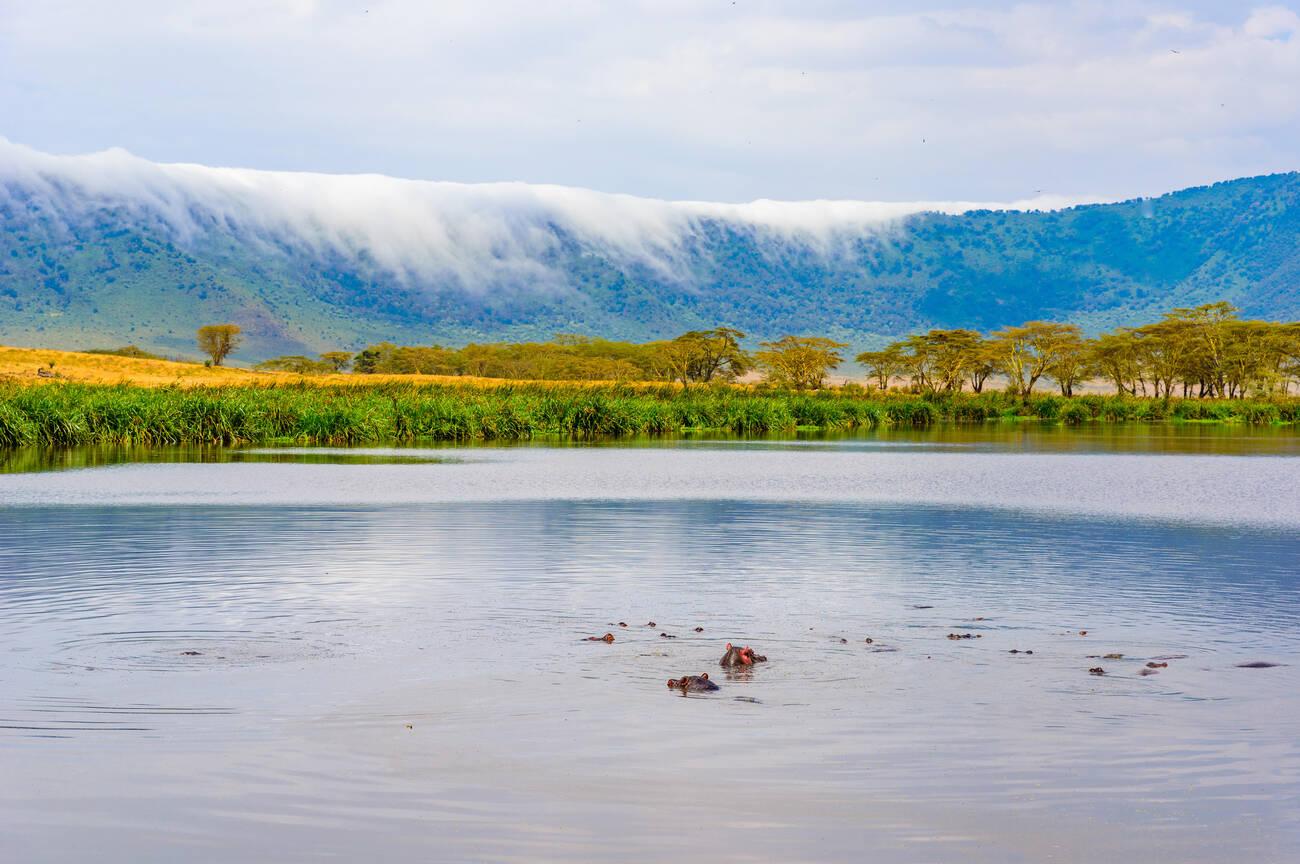
The crater floor covers a vast area filled with diverse habitats that support an exceptional variety of wildlife throughout the year. Open grasslands stretch across much of the basin, while acacia forests provide shade for elephants and other species. Freshwater springs, seasonal swamps, and Lake Magadi create important water sources that attract countless animals and birds, making every section of the crater contribute to its extraordinary ecological balance and natural beauty.
This unique ecosystem supports one of the highest concentrations of wildlife in Africa within a relatively compact area. Lions, elephants, buffaloes, zebras, wildebeests, hyenas, hippos, and numerous antelope species thrive inside the crater, while lucky visitors may also spot the endangered black rhinoceros. Because animals rarely need to migrate far for food or water, wildlife sightings remain consistently rewarding regardless of the season, offering remarkable viewing opportunities for photographers and nature enthusiasts alike.
A Ngorongoro Crater safari gives you the rare opportunity to observe an impressive diversity of animals in one location without spending long hours driving between different regions. The crater’s enclosed landscape allows visitors to enjoy productive game drives while taking in spectacular scenery from every direction. This combination of abundant wildlife, fascinating geology, and breathtaking views makes the Ngorongoro Crater one of Tanzania’s most rewarding and unforgettable safari destinations.
Why Choose a Ngorongoro Crater Safari?
A Ngorongoro Crater safari is special for many reasons. First, it offers one of the best opportunities in Africa to see the Big Five lion, elephant, buffalo, leopard, and the endangered black rhinoceros within a single day of game viewing. Second, the scenery is truly breathtaking, with wide green plains, shimmering lakes, scattered acacia trees, and lush forests enclosed by towering crater walls. This dramatic landscape creates an unforgettable backdrop that enhances every wildlife encounter and photography experience.
Another reason is its outstanding accessibility. The crater is conveniently reached from Arusha, making it an excellent choice for both short and extended safari adventures. Whether you have only one day available or are planning a longer journey through Tanzania’s northern safari circuit, this remarkable destination fits comfortably into almost any itinerary. Well-maintained roads, experienced safari guides, and nearby lodges make visiting the crater both practical and rewarding for travelers with different schedules.
A Ngorongoro Crater safari is also famous for its extraordinary concentration of wildlife. The crater is home to more than 25,000 animals, creating one of the highest densities of large mammals anywhere in Africa. Because food and water are available throughout the year, many species remain inside the crater instead of traveling long distances. This stable ecosystem increases the chances of consistent wildlife sightings, allowing visitors to enjoy exciting game drives with remarkable viewing opportunities in every season.
Big Five Animals
- Lions are easy to spot resting in the grass
- Elephants roam the forest areas
- Buffaloes are found in large herds
- Leopards are rare but present
- Black rhinos are highly protected and special to see

Other Animals
You will also see zebras, wildebeests, hyenas, jackals, and hippos. Flamingos often gather at Lake Magadi, adding color to your safari.
This makes a ngorongoro crater safari one of the best wildlife experiences in Tanzania.
Best Time to Visit Ngorongoro Crater
Dry Season (June to October)
This is widely considered the best time for wildlife viewing. During the dry months, animals gather around permanent water sources, making them easier to locate and observe during game drives. The vegetation becomes shorter, improving visibility across the open plains and reducing the chances of animals remaining hidden. Roads are also in excellent condition, allowing smoother travel throughout the crater while cool mornings and sunny afternoons create comfortable conditions for exploring.
The dry season is especially popular with photographers because the clear skies and bright natural light produce outstanding wildlife images. Predator sightings are often more frequent as lions, hyenas, and other carnivores remain active around areas where herbivores gather to drink. Since this period attracts visitors from around the world, booking accommodations and safari packages well in advance is recommended to secure your preferred travel dates and lodging options.
Wet Season (November to May)
During the wet season, the Ngorongoro Crater transforms into a lush green landscape filled with fresh vegetation and colorful wildflowers. The scenery becomes especially beautiful, creating spectacular panoramic views from the crater rim and throughout the crater floor. Birdlife reaches its peak during these months as migratory species arrive, making this an excellent season for birdwatchers and nature photographers seeking a wider variety of species.
Although occasional rainfall can occur, a Ngorongoro Crater safari remains highly enjoyable because wildlife viewing continues to be excellent throughout the year. Rain showers are often brief and followed by clear skies, while fewer visitors create a quieter and more relaxed safari experience. Travelers who appreciate vibrant landscapes, comfortable temperatures, and excellent photographic opportunities often find the green season to be one of the most rewarding times to visit this remarkable destination
How to Get to Ngorongoro Crater

Most travelers begin their journey in Arusha, the main gateway to Tanzania’s famous northern safari circuit. From the city, it takes approximately 3-4 hours by road to reach the Ngorongoro Conservation Area, depending on traffic, road conditions, and the number of sightseeing stops along the way. The drive itself is an enjoyable part of the adventure, passing through scenic countryside, traditional villages, coffee plantations, and the vibrant town of Karatu before climbing toward the breathtaking crater rim.
Travelers arriving from overseas usually fly into Kilimanjaro International Airport, located between Arusha and Moshi, before continuing by private safari vehicle or scheduled transfer. Most safari operators provide comfortable four-wheel-drive vehicles with experienced guides who share insights about the region’s wildlife, landscapes, and local communities throughout the journey. This convenient transportation makes reaching the crater simple for first-time visitors as well as experienced safari enthusiasts exploring northern Tanzania.
You can also combine your Ngorongoro Crater safari with nearby parks such as Serengeti National Park or Tarangire National Park, creating a longer adventure that showcases Tanzania’s remarkable diversity. Many travelers also include Lake Manyara National Park, allowing them to experience different ecosystems, wildlife habitats, and landscapes within a single itinerary. Each destination offers unique attractions, making every stage of the safari feel different while complementing the unforgettable experience of exploring the Ngorongoro Crater.
Whether you choose a one-day excursion or a multi-day safari circuit, the Ngorongoro Crater fits seamlessly into almost any travel plan. Its central location within northern Tanzania makes it an ideal stop between other famous national parks, reducing travel time while maximizing wildlife viewing opportunities.
Accommodation Options in Ngorongoro Crater Safari
Luxury Lodges
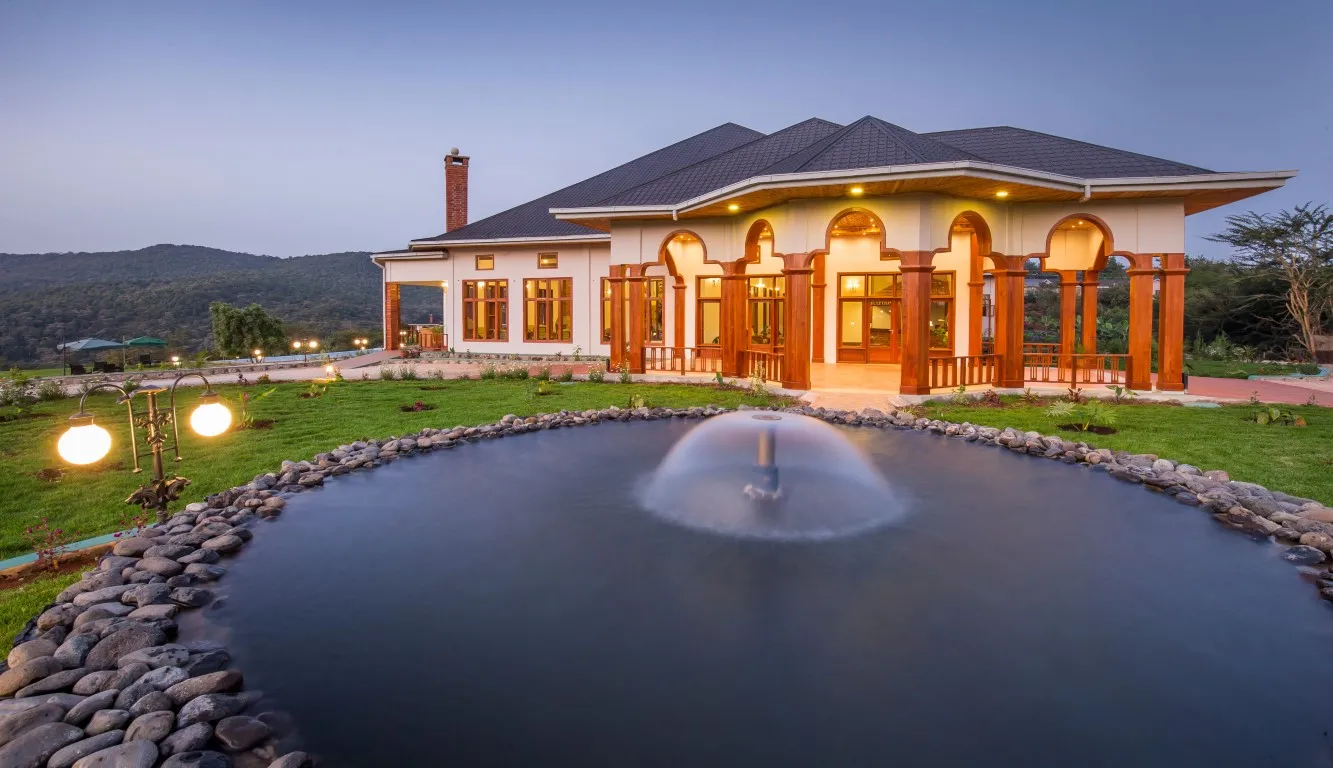
Luxury lodges are mostly located along the crater rim, offering breathtaking panoramic views of the crater floor from private rooms, restaurants, and viewing decks. Guests enjoy spacious accommodations, elegant dining experiences, personalized service, and premium amenities designed for maximum comfort after a day of wildlife exploration. Many lodges also feature cozy fireplaces, guided nature walks, cultural experiences, and exceptional hospitality that make every stay as memorable as the safari itself.
Mid range Lodges
Mid range lodges provide an excellent balance between comfort and affordability, making them a popular choice for couples, families, and small groups. These accommodations are conveniently located near the crater entrance or in the nearby Karatu area, allowing easy access to daily game drives. Comfortable rooms, quality meals, friendly service, and modern facilities ensure guests enjoy a relaxing stay without the higher costs associated with luxury properties, while still experiencing excellent hospitality and beautiful surroundings.
Budget Camps
Budget camps offer simple, clean, and comfortable accommodation for travelers seeking an affordable Ngorongoro Crater safari without sacrificing the adventure. Although the facilities are more basic, they typically provide essential amenities, welcoming staff, and convenient locations close to the conservation area. Staying at a budget camp allows visitors to spend more of their travel budget on safari activities while still enjoying the incredible wildlife, dramatic landscapes, and unforgettable experiences that make the Ngorongoro Crater one of Tanzania’s top destinations.
Cost of Ngorongoro Crater Safari
Park Fees
Park fees are among the highest in Tanzania because the Ngorongoro Conservation Area is a protected UNESCO World Heritage Site with strict conservation measures. These fees help support wildlife protection, environmental management, road maintenance, and community development within the conservation area. Every visitor entering the crater contributes to preserving its unique ecosystem, ensuring future generations can continue to experience its remarkable wildlife and natural beauty.
Accommodation Type
The type of accommodation you choose has a major impact on the total safari cost. Luxury lodges located on the crater rim offer premium amenities, exceptional service, and spectacular views, resulting in higher prices. Mid range lodges provide a comfortable balance between quality and affordability, while budget camps offer simple yet clean facilities for travelers looking to experience the Ngorongoro Crater without spending as much on accommodation.
Number of Days and Safari Type
The number of days you spend on safari also affects the overall price, as longer itineraries include additional accommodation, meals, transportation, and guiding services. Choosing between a group safari and a private safari is another important factor. Group safaris are generally more affordable because expenses are shared among several travelers, while private safaris provide greater flexibility, personalized service, and a customized experience, making them ideal for families, couples, photographers, and travelers seeking a more exclusive adventure.
Cultural Experience with Maasai People

A Ngorongoro Crater safari is not only about wildlife. You can also visit Maasai villages within the Ngorongoro Conservation Area, where local communities continue to preserve their traditions while living alongside one of Africa’s most celebrated wildlife destinations. These visits offer a unique opportunity to experience a different side of Tanzania, allowing travelers to appreciate the strong cultural heritage that has shaped the region for generations.
The Maasai people are known for their distinctive culture, colorful traditional clothing, and deep connection to the land. During a village visit, you can learn about their lifestyle, customs, traditional homes, livestock keeping, and daily activities. Local guides often explain the significance of their ceremonies, music, dances, beadwork, and long-standing traditions, giving visitors a genuine understanding of how the Maasai have maintained their cultural identity while adapting to the modern world.
Many cultural tours also provide opportunities to interact with community members, observe traditional craftsmanship, and purchase handmade jewelry and souvenirs directly from local artisans. These experiences create meaningful exchanges between visitors and the community while supporting local families through responsible tourism. Respectful cultural visits encourage a greater appreciation of the Maasai way of life and help preserve important traditions for future generations.
This cultural experience adds significant value to your Ngorongoro Crater safari by combining extraordinary wildlife viewing with authentic cultural discovery. Instead of experiencing only the natural beauty of the crater, you also gain insight into the people who have lived in harmony with this remarkable landscape for centuries. The combination of breathtaking scenery, abundant wildlife, and rich Maasai heritage creates a more complete and memorable safari experience that extends far beyond a traditional game drive.
Tips for a Successful Ngorongoro Crater Safari
What to Pack
Pack light clothing in neutral colors such as khaki, olive, or beige to blend naturally into the environment and avoid attracting unnecessary attention from wildlife. Bring a warm jacket or fleece because mornings on the crater rim can be surprisingly cold before the sun rises. A camera and binoculars are essential for capturing unforgettable wildlife moments and observing animals from a comfortable distance. Don’t forget sunscreen, a wide-brimmed hat, sunglasses, comfortable walking shoes, and a reusable water bottle to stay protected and hydrated throughout your safari.
Safari Etiquette
Always follow your guide’s instructions, as they are trained to keep both visitors and wildlife safe while providing the best possible viewing opportunities. Never feed animals, as human food can harm wildlife and change their natural behavior. Keep noise to a minimum by speaking quietly and avoiding sudden movements, allowing animals to behave naturally and giving everyone a better viewing experience. Respect the environment by staying inside designated areas, avoiding litter, and leaving every location exactly as you found it.
Combining Ngorongoro with Other Destinations
Serengeti National Park
Serengeti National Park is one of the most famous safari destinations in the world and is often combined with a Ngorongoro Crater safari. The park is best known for the Great Migration, where millions of wildebeests, zebras, and other herbivores move across the plains in search of fresh grazing areas. Beyond the migration, Serengeti offers endless golden landscapes, large animal herds, and excellent opportunities to see predators such as lions, cheetahs, and leopards in their natural habitat.
Lake Manyara National Park
Lake Manyara National Park is another excellent addition to your safari itinerary. Located between Arusha and the Ngorongoro Conservation Area, the park is famous for its unique landscapes, including groundwater forests, open plains, and the scenic lake that attracts thousands of birds. Visitors can look for the park’s well-known tree-climbing lions, large elephant populations, colorful flamingos, and diverse bird species, making it a rewarding stop for wildlife lovers and photographers.
Zanzibar Island
After an exciting safari adventure, many travelers choose to continue their journey to Zanzibar Island for relaxation and coastal exploration. The island offers beautiful white-sand beaches, turquoise waters, historic Stone Town, spice farms, and opportunities for snorkeling, diving, and traditional dhow cruises. Combining the wilderness of the Ngorongoro Crater with the peaceful atmosphere of Zanzibar creates a perfect balance between adventure and relaxation, allowing travelers to experience both Tanzania’s incredible wildlife and its tropical island beauty.
Photography Tips during a Ngorongoro Crater Safari
Shoot Early Morning or Late Afternoon
The best lighting conditions usually occur during the early morning and late afternoon when the sun is lower in the sky. These times create softer, warmer light that adds depth and detail to your photographs while reducing harsh shadows. Morning game drives also provide excellent opportunities to capture active wildlife as animals move, hunt, or search for food after sunrise. Late afternoon offers beautiful golden tones that make landscapes and animal portraits appear more dramatic.
Use Zoom Lenses for Wildlife
A zoom lens is one of the most valuable tools for a Ngorongoro Crater safari because it allows you to photograph animals from a safe distance without disturbing their natural behavior. Longer lenses are especially useful for capturing details of lions, birds, elephants, and other wildlife that may be far from the safari vehicle. A good zoom range helps you create both close-up portraits and wider compositions while keeping your photography experience flexible.
Keep Your Camera Ready
Wildlife moments often happen quickly, so keeping your camera ready ensures you do not miss unexpected opportunities. Animals may suddenly appear near the vehicle, interact with each other, or display interesting behaviors that last only a few seconds. Adjusting your camera settings before the game drive begins, carrying extra batteries, and having sufficient memory space allow you to focus on capturing special moments instead of preparing equipment at the last minute.
Capture Landscapes and Close Ups
A great Ngorongoro Crater safari photograph should include more than just animals. Capture the dramatic crater walls, open grasslands, forests, lakes, and changing skies to tell the complete story of the destination. Combining wide landscape shots with detailed close-ups creates a balanced collection of images that reflects both the scale of the environment and the personality of the wildlife. By photographing different perspectives, you can preserve the full beauty and emotion of your safari experience for years to come.
Safety During Safari & Environmental Conservation
Safety During Safari
Safety is one of the most important aspects of a Ngorongoro Crater safari because you are exploring a natural environment where wild animals move freely. Always remain inside the safari vehicle unless your professional guide gives permission to leave. Safari guides understand animal behavior, road conditions, and safety procedures, helping you enjoy close wildlife encounters while maintaining a secure distance from potentially dangerous situations.
Wild animals are unpredictable, even when they appear calm or accustomed to vehicles. Avoid sudden movements, loud noises, or actions that may disturb them during sightings. Always keep a safe distance from animals and carefully follow the instructions provided by your guide. These simple precautions protect both visitors and wildlife while allowing animals to continue behaving naturally within their habitat.
Environmental Conservation
The Ngorongoro area is protected to preserve its unique wildlife, landscapes, and delicate ecosystems for future generations. When you take part in a Ngorongoro Crater safari, you contribute to conservation efforts through park fees and responsible travel practices. These contributions help support habitat protection, wildlife monitoring, anti-poaching initiatives, and programs that benefit communities living around the conservation area.
Responsible tourism plays an important role in protecting animals and supporting local communities that depend on the natural environment. Visitors can help by avoiding littering, reducing waste, respecting wildlife, and choosing accommodations and safari companies that follow sustainable practices. Small actions from travelers make a meaningful difference in maintaining the balance between tourism, conservation, and community development.
Sample 1 Day Ngorongoro Crater Safari Itinerary
Early Morning Departure from Arusha
The journey begins with an early morning departure from Arusha, allowing enough time to reach the Ngorongoro Conservation Area and maximize your wildlife viewing hours. The drive takes approximately 3–4 hours, passing through scenic landscapes, local villages, and the beautiful highlands of northern Tanzania. Your safari guide will provide information about the region, wildlife, and culture along the way, making the journey informative as well as enjoyable.
Arrive and Descend into the Crater
After arriving at the crater viewpoint, you will have a chance to admire the spectacular panoramic views before descending nearly 600 meters into the crater floor. The descent reveals a unique ecosystem of grasslands, forests, wetlands, and lakes surrounded by towering crater walls. This dramatic entrance sets the stage for an exciting safari experience where wildlife encounters can begin shortly after entering the protected area.
Game Drive and Picnic Lunch
Once inside the crater, you will enjoy a thrilling game drive searching for some of Africa’s most iconic animals. The crater is home to lions, elephants, buffaloes, zebras, wildebeests, hippos, and the endangered black rhinoceros. Around midday, you will stop at a designated picnic area to enjoy lunch while taking in the incredible surroundings. The peaceful setting allows you to relax while remaining surrounded by the beauty of nature.
Afternoon Wildlife Viewing
After lunch, the safari continues with more wildlife exploration across the crater floor. The afternoon offers additional opportunities to photograph animals, observe their natural behaviors, and discover different parts of this remarkable ecosystem. Your guide will help locate wildlife and explain interesting facts about the animals, plants, and geological history of the crater, making the experience more meaningful and educational.
Return to Arusha
Later in the afternoon, you will begin the journey back to Arusha after a rewarding day exploring the Ngorongoro Crater. The return drive provides time to reflect on the incredible sights and memories created during the safari. Although it is a short itinerary, a 1-day Ngorongoro Crater safari delivers an impressive combination of wildlife, scenery, and adventure, making it an excellent choice for travelers seeking a memorable Tanzania safari experience within a limited timeframe.
Advantages of Visiting Ngorongoro & Challenges to Consider
Advantages of Visiting Ngorongoro
A Ngorongoro Crater safari offers an incredible combination of wildlife, scenery, accessibility, and cultural discovery, making it one of the most rewarding safari experiences in Africa. The crater’s unique enclosed ecosystem creates excellent conditions for wildlife viewing, while its dramatic landscapes and rich heritage provide much more than a traditional game drive. Visitors can enjoy a complete African adventure where nature, conservation, and local traditions come together in one extraordinary destination.
High Chances of Spotting Wildlife
One of the biggest advantages of a Ngorongoro Crater safari is the high chance of spotting a wide variety of animals in a relatively small area. The crater supports thousands of wildlife species, including lions, elephants, buffaloes, zebras, wildebeests, hippos, and the rare black rhinoceros. Because many animals remain within the crater throughout the year due to the availability of water and food, visitors often enjoy consistent and rewarding sightings during their game drives.
Beautiful Landscapes
The scenery of the Ngorongoro Crater is another major reason travelers choose this destination. The combination of open grasslands, green forests, sparkling lakes, and towering crater walls creates a landscape unlike anywhere else in Tanzania. Every viewpoint offers spectacular photography opportunities, from sunrise over the crater rim to wildlife moving across the peaceful plains below.
Challenges to Consider
While a Ngorongoro Crater safari is an amazing experience, there are some challenges travelers should consider before planning their visit. Understanding these factors helps create realistic expectations and allows visitors to prepare properly while still enjoying everything the destination has to offer.
High Park Fees
One challenge is the relatively high conservation and park fees compared with some other destinations in Tanzania. These costs contribute to protecting the crater’s fragile ecosystem, supporting wildlife conservation programs, and maintaining the area for future generations. Although the fees may increase the overall safari budget, many travelers consider them worthwhile because they help preserve one of Africa’s most important natural environments.
Crowds During Peak Season
During the busiest travel months, especially the dry season from June to October, the crater can become crowded with safari vehicles. Popular wildlife areas may attract many visitors, which can reduce the feeling of exclusivity during certain sightings. However, traveling during quieter months or choosing early morning game drives can provide a more peaceful experience while still offering excellent wildlife viewing opportunities.
Travel Tips for First Time Visitors
Travel Tips for First Time Visitors If this is your first Ngorongoro Crater safari, keep things simple. Book with a trusted tour operator. Choose the right season and plan your budget. Taking time to compare itineraries, accommodation options, and guide experience helps ensure a smooth journey while allowing you to focus on enjoying wildlife encounters instead of dealing with unexpected travel challenges during your adventure.
Selecting the appropriate travel season can greatly influence your overall safari experience. The dry months generally provide easier wildlife viewing, while the green season offers beautiful scenery, fewer visitors, and excellent birdwatching opportunities. Understanding these seasonal differences allows first-time travelers to choose the experience that best matches their expectations, photography interests, available budget, and preferred style of exploration.
Also, combine your safari with other parks for a complete Tanzania experience. Visiting destinations such as Serengeti National Park, Tarangire National Park, or Lake Manyara creates a more diverse adventure by introducing different landscapes, ecosystems, and wildlife. Each park contributes unique highlights, making your journey richer while providing a broader understanding of Tanzania’s extraordinary natural heritage and conservation efforts.
Before departure, confirm your itinerary, carry all essential travel documents, and pack practical clothing suitable for changing weather conditions. Staying flexible during game drives allows guides to adapt plans according to wildlife movements, increasing your chances of memorable sightings. With thoughtful preparation, your first Ngorongoro Crater safari can become the beginning of many unforgettable adventures across Tanzania.
FAQS:Complete Guide to Ngorongoro Crater Safari
What makes the Ngorongoro Crater different from other safari destinations in Tanzania?
The Ngorongoro Crater is the world’s largest intact volcanic caldera, creating a natural wildlife sanctuary within its steep walls. Unlike many other parks where animals migrate seasonally, the crater supports a permanent population of wildlife throughout the year. Visitors can often spot the Big Five in a single game drive while enjoying spectacular landscapes that combine grasslands, forests, wetlands, and a soda lake.
How long should I spend on a Ngorongoro Crater safari?
A full-day game drive is enough to experience the highlights of the Ngorongoro Crater. However, staying for two or three days allows you to explore nearby attractions such as the Ngorongoro Highlands, Olduvai Gorge, and local Maasai villages. A longer stay also provides flexibility for early morning wildlife viewing and a more relaxed travel experience.
Can I visit the Ngorongoro Crater without including the Serengeti?
Yes. Many travelers choose a standalone Ngorongoro Crater safari, especially if they have limited time. The crater is easily accessible from Arusha and can be visited as a day trip or overnight excursion. However, combining it with Serengeti National Park creates a more comprehensive safari experience with greater wildlife diversity.
What wildlife is most commonly seen inside the Ngorongoro Crater?
The crater is home to lions, elephants, buffaloes, black rhinos, leopards, cheetahs, zebras, wildebeests, hippos, hyenas, jackals, warthogs, and numerous antelope species. Lake Magadi also attracts flamingos and other waterbirds, making the crater one of Tanzania’s richest wildlife habitats for both mammals and birdlife.
Is the Ngorongoro Crater suitable for families with children?
Yes. The Ngorongoro Crater is an excellent destination for families because wildlife sightings are frequent, reducing the amount of driving needed between animal encounters. Many safari lodges also welcome children and offer family-friendly accommodations, making it an enjoyable destination for travelers of different ages.
What should I pack for a Ngorongoro Crater safari?
Pack lightweight clothing in neutral colors, a warm jacket for the cool mornings, comfortable walking shoes, sunglasses, sunscreen, a hat, binoculars, a camera with extra batteries, insect repellent, and any personal medications. Layered clothing is recommended because temperatures can change throughout the day due to the crater’s high elevation.
Why is the Ngorongoro Crater considered one of the best places to see the Big Five?
The crater’s enclosed ecosystem supports a high concentration of wildlife within a relatively small area, increasing the chances of seeing lions, elephants, buffaloes, leopards, and the endangered black rhino during a single game drive. Few safari destinations offer such consistent opportunities to encounter all five iconic African animals.
Can a Ngorongoro Crater safari be combined with Zanzibar?
Absolutely. Many visitors finish their wildlife adventure with a beach holiday in Zanzibar. After exploring the crater and other northern Tanzania parks, travelers can take a short domestic flight to Zanzibar to relax on white sand beaches, visit historic Stone Town, enjoy snorkeling or diving, and experience the island’s famous spice culture. This combination offers an ideal balance of adventure and relaxation.

