
What Vaccinations Do You Need for Tanzania?
Planning a trip to Tanzania is exciting. From the Serengeti safaris to Zanzibar beaches, there is so much to explore. But before you travel, it is important to understand the health requirements. One of the most important things to prepare is your Tanzania travel vaccinations. Taking time to plan ahead helps you enjoy every destination with greater confidence, comfort, and peace of mind throughout your unforgettable journey across Tanzania.
Vaccinations help protect you from diseases that may not be common in your home country. They also help you travel safely without health risks. In this guide, we will explain all the Tanzania travel vaccinations you need in simple and clear language. Understanding these recommendations before departure allows you to make informed decisions and reduce the chances of unexpected medical concerns during your adventure.
Every traveler has different health needs depending on their age, medical history, travel itinerary, and length of stay. Some vaccinations are strongly recommended, while others may only be necessary for certain regions or travel activities. Preparing early gives you enough time to receive vaccines, follow medical advice, and organize all important health documents before your departure.
Staying healthy during your visit allows you to focus on experiencing Tanzania’s remarkable wildlife in national parks like Serengeti, Ngorongoro, Tarangire & Lake Manyara vibrant culture, breathtaking landscapes, and welcoming communities. By learning about Tanzania travel vaccinations before your trip, you can travel responsibly, protect your health, and enjoy a smoother, safer, and more memorable holiday from the moment you arrive until you return home.
Why Tanzania Travel Vaccinations Are Important
When traveling to a new country, your body may not be used to local diseases. Tanzania has a tropical climate, and some infections are more common here. That is why Tanzania travel vaccinations are highly recommended. Being prepared before departure helps reduce health risks, giving you greater confidence to enjoy your journey while exploring the country’s diverse landscapes and unforgettable attractions.
Vaccines protect you from serious illnesses such as yellow fever, hepatitis, and typhoid. They also reduce the risk of spreading diseases to others. If you are planning a safari or visiting rural areas, vaccinations become even more important. Many outdoor activities increase your exposure to insects and changing environments, making preventive healthcare an essential part of responsible travel planning.
Another reason to take Tanzania travel vaccinations is to meet entry requirements. Some vaccines are mandatory depending on where you are traveling from. Having the correct vaccination records before your trip helps avoid delays at border checkpoints and ensures a smoother arrival process. Checking the latest travel health recommendations before departure is always a smart decision.
Preparing your vaccinations well in advance allows your body enough time to develop protection before you arrive in Tanzania. It also gives you the opportunity to consult a healthcare professional, discuss your travel plans, and receive personalized advice based on your destination, planned activities, medical history, and overall health needs.
Required Vaccinations for Tanzania
Yellow Fever Vaccination
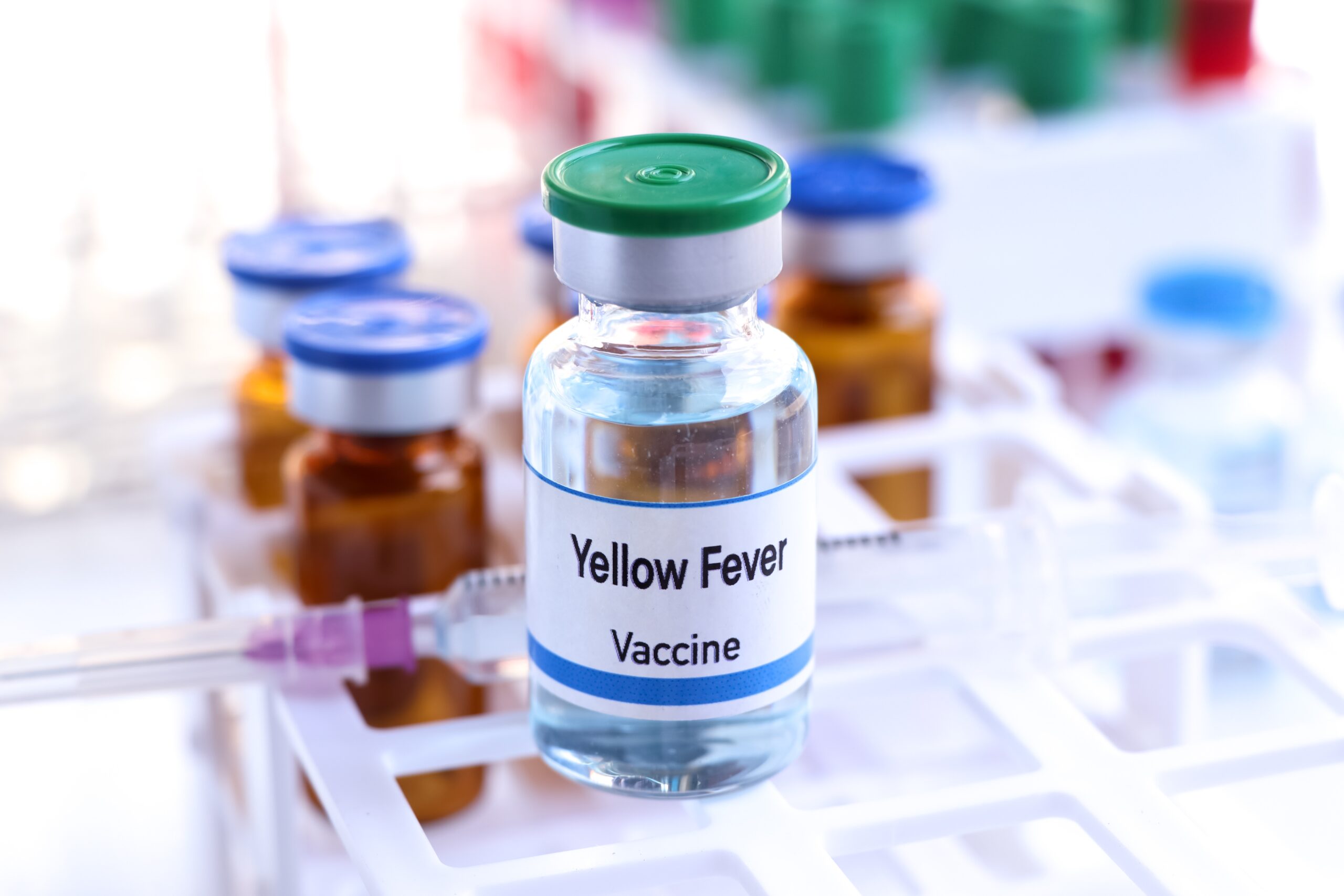
The yellow fever vaccine is the most important requirement for Tanzania travel vaccinations. However, it is not required for everyone. The requirement depends mainly on your recent travel history rather than your nationality. Understanding the rules before departure helps you avoid unexpected issues at immigration and ensures your journey begins without unnecessary delays or complications.
You need a yellow fever vaccination if you are coming from a country with a risk of yellow fever or if you had a long transit of more than 12 hours in a country where yellow fever is present. These regulations are designed to reduce the risk of introducing the disease into Tanzania and to protect both visitors and local communities.
You must carry a valid Yellow Fever Certificate as proof of vaccination whenever it is required. Immigration or health officials may ask to see the certificate upon arrival. Without the required documentation, you may be denied entry or be required to follow additional health procedures before being allowed into the country.
If you are traveling directly from Europe, the USA, or most parts of Asia, you may not need the yellow fever vaccine. Even so, travel regulations can change over time, so it is always wise to confirm the latest requirements before your departure. Checking the current guidelines helps ensure your Tanzania travel vaccinations meet all official entry requirements.
Recommended Tanzania Travel Vaccinations
Even if not required, several vaccines are strongly recommended for safe travel. These vaccinations help reduce the risk of common travel-related illnesses and allow you to enjoy your holiday with greater confidence. Speaking with your healthcare provider before departure ensures you receive the vaccinations that best match your itinerary, activities, and personal medical history.
Hepatitis A
Hepatitis A spreads through contaminated food and water. It is very common in many countries, including Tanzania. Getting this vaccine is an important part of Tanzania travel vaccinations because it protects your liver from infection and helps you travel with greater peace of mind. It is especially recommended for visitors who plan to eat at local restaurants, markets, or rural communities.
Hepatitis B
Hepatitis B spreads through blood and body fluids. It is recommended if you plan a long stay, may need medical treatment, or are traveling for work or volunteering. This vaccine is often included in Tanzania travel vaccinations for long-term travelers because it offers reliable protection during extended visits and situations where healthcare or close personal contact may be necessary.
Typhoid
Typhoid is caused by bacteria found in contaminated food and water and is more common in areas with limited sanitation. If you plan to eat local food or visit smaller towns, this vaccine is highly recommended. It is considered one of the most important Tanzania travel vaccinations for tourists exploring beyond major cities or enjoying authentic local dining experiences.
Tetanus, Diphtheria, and Pertussis
These are routine vaccines but should be updated before travel. They protect against infections caused by cuts, injuries, and respiratory diseases that can occur during everyday activities. Many travelers overlook these immunizations, yet they remain an essential part of Tanzania travel vaccinations and contribute to a safer, healthier journey throughout your visit.
Polio
Polio vaccination is recommended if you have not completed your routine immunizations before traveling. In some situations, certain countries may also require proof of polio vaccination depending on your travel history. Including this vaccine as part of your Tanzania travel vaccinations helps strengthen your overall protection and supports a safer, healthier international travel experience.
Rabies
Rabies is spread through the bites or scratches of infected animals, particularly dogs, bats, and wildlife. Tanzania is home to abundant wildlife, making outdoor adventures and safaris an unforgettable experience. Although the risk for most tourists is low, travelers spending extended time in remote locations should carefully consider this important preventive vaccination.
You should consider the rabies vaccine if you plan outdoor activities, work closely with animals, or visit remote areas where medical care may not be immediately available. Receiving this vaccine before departure can provide additional protection and peace of mind, especially for adventure travelers, researchers, volunteers, and those exploring rural regions.
Malaria Prevention (Not a Vaccine)
There is currently no widely recommended malaria vaccine for most international travelers visiting Tanzania, but malaria remains one of the country’s most significant health risks. Instead of vaccination, doctors commonly recommend taking prescribed anti-malaria medication, applying mosquito repellent regularly, wearing long-sleeved clothing in the evenings, and sleeping under insecticide-treated mosquito nets.
When Should You Get Tanzania Travel Vaccinations?
Timing is very important when planning your vaccinations. Preparing well before your departure allows you to receive the recommended immunizations without feeling rushed. It also gives you enough time to consult a travel health specialist, review your itinerary, and determine which Tanzania travel vaccinations are most appropriate for your destination and planned activities.
You should visit a travel clinic at least 4–8 weeks before your trip. This gives your body enough time to build immunity and ensures the vaccines are fully effective before you arrive in Tanzania. Early planning also provides enough time to ask questions, receive medical advice, and obtain any necessary vaccination certificates required for international travel.
Some vaccines require multiple doses or follow-up appointments to provide the best protection. Starting your Tanzania travel vaccinations several weeks before departure helps you complete the full vaccination schedule without unnecessary stress. Delaying your appointment could mean you miss important doses or travel before your immunity has fully developed.
If your departure date is approaching, you should still visit a healthcare provider as soon as possible. Even when there is limited time before your trip, many recommended Tanzania travel vaccinations and preventive medications can still provide valuable protection. A travel medicine specialist can advise you on the best options based on your travel plans, medical history, and overall health.
Vaccination Requirements for Different Travelers
Tourists
Most tourists need basic Tanzania travel vaccinations such as hepatitis A, typhoid, and routine immunizations before departure. These vaccines help protect against common travel-related illnesses and support a healthier journey. Preparing in advance allows you to explore Tanzania’s incredible attractions in parks like Serengeti, Ngorongoro, Lake Manyara & Tarangire with greater confidence while reducing the risk of preventable diseases during your visit.
If you are staying in hotels and traveling with professional guides, your overall health risk is generally lower. However, vaccinations are still strongly recommended because exposure to contaminated food, water, insects, or unexpected medical situations can occur anywhere. Following the recommended Tanzania travel vaccinations helps ensure a safer and more enjoyable holiday.
Safari Travelers
Safari travelers often spend time in national parks, conservation areas, and remote regions where access to medical facilities may be limited. Because of these conditions, preventive healthcare becomes especially important. Tanzania travel vaccinations, together with proper malaria prevention and insect protection, help reduce health risks while you enjoy unforgettable wildlife experiences.
For safari adventures, vaccines such as rabies for higher-risk travelers, typhoid, and routine immunizations are commonly recommended based on your activities and itinerary. Wearing protective clothing, using mosquito repellent, and following your guide’s safety advice further complement your Tanzania travel vaccinations and contribute to a safe and memorable safari.
Zanzibar Visitors
Zanzibar is one of Tanzania’s most popular beach destinations, attracting visitors with its beautiful coastline, rich history, and tropical atmosphere. Although the health risks are generally lower than in some mainland regions, travelers should still receive recommended Tanzania travel vaccinations, including hepatitis A and routine vaccines, to reduce the risk of food- and water-borne illnesses.
Long-Term Travelers
If you plan to stay in Tanzania for several months, volunteer, study, or work, you may need broader health protection than short-term visitors. Long-term travelers are often advised to consider hepatitis B, rabies, and a complete routine vaccination schedule. These Tanzania travel vaccinations provide long-lasting protection and help support your health throughout an extended stay in the country.
Health Tips Alongside Tanzania Travel Vaccinations
Tanzania travel vaccinations are an important part of preparing for your trip, but they should be combined with simple daily health precautions. Following good hygiene practices, making safe food and water choices, and protecting yourself from insects will further reduce the risk of illness and help you enjoy a comfortable, worry-free travel experience throughout your visit.
Drink Safe Water
Always drink bottled or properly filtered water, and avoid tap water unless it has been boiled or treated. Safe drinking water helps prevent stomach infections and waterborne diseases that can affect travelers. Using bottled water for brushing your teeth is also a sensible precaution, especially when visiting unfamiliar areas.
Eat Safe Food
Choose meals that are freshly cooked and served hot, as they are generally safer than food left at room temperature. Avoid raw or undercooked meat, seafood, and unwashed fruits or vegetables unless you can peel them yourself. Following safe food practices, together with Tanzania travel vaccinations, helps lower the risk of foodborne illnesses during your trip.
Protect Against Mosquitoes
Mosquito bites can spread malaria and other insect-borne diseases, so prevention is essential. Apply insect repellent regularly, wear long-sleeved clothing and long trousers during the evening, and sleep under insecticide-treated mosquito nets whenever necessary. These simple precautions work alongside Tanzania travel vaccinations to provide better protection throughout your stay.
Wash Hands Regularly
Maintaining good personal hygiene is one of the easiest ways to reduce the spread of germs and infections while traveling. Wash your hands with soap and clean water before eating and after using the restroom. When soap and water are unavailable, use an alcohol-based hand sanitizer to keep your hands clean and support your overall health during your Tanzania adventure.
Common Myths About Tanzania Travel Vaccinations
Many travelers have misunderstandings about vaccines before visiting Tanzania. These myths can lead to poor preparation and unnecessary health risks. Understanding the facts about Tanzania travel vaccinations helps you make informed decisions and ensures you are properly protected before exploring Tanzania’s wildlife, culture, landscapes, and other unforgettable travel experiences.
“I Don’t Need Vaccines for a Short Trip”
Even short trips can expose you to diseases. Tanzania travel vaccinations are important regardless of trip length because infections can occur within a few days of arrival. Whether you are visiting for a safari, beach holiday, business trip, or cultural experience, taking preventive measures helps protect your health and allows you to enjoy your journey with confidence.
“Vaccines Are Only for Rural Areas”
Even cities and popular tourist destinations can have health risks. Food and water contamination, mosquito exposure, and contact with unfamiliar environments can happen anywhere. Tanzania travel vaccinations are recommended for many travelers because protection is needed not only in remote locations but also in busy towns, hotels, restaurants, and tourist areas.
“Vaccines Are Dangerous”
Vaccines used for travel are carefully tested and monitored to ensure they are safe and effective. Most side effects are usually mild and temporary, such as slight soreness at the injection site or a short period of discomfort. Tanzania travel vaccinations help prevent serious diseases and provide valuable protection during your adventure.
By understanding these common myths, travelers can prepare properly and avoid unnecessary concerns. Getting the right Tanzania travel vaccinations before departure is a responsible step that supports a safer, healthier, and more enjoyable experience while discovering everything Tanzania has to offer.
Cost of Tanzania Travel Vaccinations
The cost of Tanzania travel vaccinations depends on your country, healthcare system, and the clinic you visit. Prices can vary because different vaccines have different costs, and some travelers may need several vaccinations depending on their health history, travel plans, and the activities they plan to do while visiting Tanzania.
Some vaccines are affordable, while others may be more expensive, especially those that require special preparation or multiple doses. In addition to vaccine costs, some clinics may charge consultation fees for travel health advice. Planning your budget early helps you include Tanzania travel vaccinations as part of your overall travel expenses.
Travel insurance may cover certain vaccinations or travel health consultations, depending on your policy and provider. Before your trip, it is recommended to review your insurance coverage and confirm whether preventive healthcare expenses are included. This can help reduce unexpected costs and make your travel preparation easier.
It is best to check with your local travel clinic or healthcare provider for the latest pricing information for Tanzania travel vaccinations. Booking your appointment early allows you to understand the costs, complete any required vaccinations on time, and prepare for a safe and enjoyable journey to Tanzania.
Where to Get Vaccinated
You can get your Tanzania travel vaccinations from different trusted healthcare facilities before your journey. Choosing the right place ensures you receive accurate medical advice, the correct vaccines, and proper documentation when required. Planning your vaccination appointment early also gives healthcare professionals enough time to review your travel plans and recommend the best protection for your trip.
Travel Clinics
Travel clinics specialize in preparing visitors for international trips. They provide advice based on your destination, planned activities, and length of stay. These clinics can recommend suitable Tanzania travel vaccinations, explain possible health risks, and help you understand other preventive measures such as malaria protection and travel hygiene.
Hospitals
Many hospitals offer travel vaccination services through their medical departments. They can provide common vaccines, health consultations, and guidance based on your personal medical history. Visiting a hospital can be a good option if you need additional medical advice or have existing health considerations before receiving your Tanzania travel vaccinations.
Government Health Centers
Government health centers can also provide important travel vaccinations and official vaccination certificates when required. These facilities are often recognized for issuing documents such as the Yellow Fever Certificate. Checking availability before your visit helps ensure you receive the necessary services without delays.
Make sure you visit a certified clinic or recognized healthcare provider. They will provide the correct advice, recommended vaccination schedule, and official documentation needed for your journey. Receiving your Tanzania travel vaccinations from a reliable source helps you travel with confidence and enjoy your Tanzania adventure safely.

Why Tanzania Travel Vaccinations Are Important
Before you travel to Tanzania, it is important to complete all necessary health preparations. Having the right documents, medications, and preventive measures ready helps you avoid unnecessary stress during your journey. A well-planned approach to Tanzania travel vaccinations allows you to focus on enjoying the country’s incredible wildlife, culture, landscapes, and unforgettable experiences.
Check Required Vaccines
Review the recommended and required vaccines for Tanzania before your departure. Confirm which Tanzania travel vaccinations apply to your specific travel plans, including your destinations, activities, and travel history. Checking early gives you enough time to complete any necessary doses and receive professional advice from a qualified healthcare provider.
Carry Vaccination Certificates
Keep all important vaccination documents with your travel papers. Some vaccines, such as yellow fever when required, may need official proof before entering Tanzania. Carrying your vaccination certificates helps ensure a smoother arrival process and provides evidence that you have completed the necessary Tanzania travel vaccinations.
Pack Your Medications
Bring any personal medications you may need during your trip, along with a copy of your prescriptions if necessary. It is also helpful to carry basic health supplies such as insect repellent, sunscreen, and personal hygiene items. Proper preparation supports your health alongside your Tanzania travel vaccinations.
Follow Health Guidelines
Continue practicing healthy habits throughout your journey by drinking safe water, eating carefully prepared food, protecting yourself from mosquitoes, and maintaining good hygiene. Tanzania travel vaccinations provide important protection, but combining them with responsible travel practices offers the best way to stay healthy.
Preparing your Tanzania travel vaccinations early ensures a smooth and safe journey. With proper planning, you can explore Tanzania with confidence, enjoy your safari adventures, relax on beautiful beaches, and create unforgettable memories while staying protected throughout your visit.
FAQS-What Vaccinations Do You Need for Tanzania?
What vaccinations are required before traveling to Tanzania?
Most travelers do not need mandatory vaccinations to enter Tanzania, but several vaccines are strongly recommended for health protection. Common recommended vaccinations include Yellow Fever, Hepatitis A, Typhoid, Tetanus, Diphtheria, Pertussis (Tdap), Polio, and routine vaccines. The exact requirements depend on your travel history, health condition, and activities planned during your visit.
Is the Yellow Fever vaccine required for Tanzania?
The Yellow Fever vaccine is not required for all travelers visiting Tanzania. However, it may be required if you are arriving from a country where Yellow Fever is present or if you have a long transit through such a country. Travelers who need the vaccine should carry a valid Yellow Fever vaccination certificate as proof of immunization.
How early should I get vaccinations before traveling to Tanzania?
It is best to visit a travel health clinic 4–8 weeks before your Tanzania trip. Some vaccines require multiple doses or time for your body to develop protection. Planning early ensures you complete your vaccination schedule before going on safari, climbing Mount Kilimanjaro, or exploring Zanzibar.
Do I need malaria vaccination for a trip to Tanzania?
There is currently no routine malaria vaccine recommended for most travelers visiting Tanzania. However, malaria prevention is important because the disease exists in many areas. Travelers should consult a doctor about anti-malaria medication, use mosquito protection, and take precautions such as wearing long sleeves and using insect repellent.
Which routine vaccines should I have before visiting Tanzania?
Before traveling to Tanzania, make sure your routine vaccinations are up to date. These may include vaccines for measles, mumps, rubella (MMR), tetanus, diphtheria, pertussis, polio, and influenza. Keeping routine vaccines current helps protect you from common illnesses while traveling.
Are Hepatitis A and Typhoid vaccines recommended for Tanzania?
Yes, Hepatitis A and Typhoid vaccines are commonly recommended for travelers visiting Tanzania. These diseases can spread through contaminated food and water. Getting vaccinated helps reduce the risk, especially for visitors who plan to enjoy local cuisine, travel to rural areas, or stay for longer periods.
Do I need a rabies vaccine for a Tanzania safari?
A rabies vaccine is not required for every traveler, but it may be recommended for people who will spend extended time outdoors, work with animals, visit remote areas, or participate in activities where animal contact is possible. During a Tanzania safari, avoid touching wild animals and unknown domestic animals.
Are vaccinations needed for climbing Mount Kilimanjaro?
Travelers climbing Mount Kilimanjaro should consider recommended Tanzania travel vaccinations before their trek. While there are no mountain-specific vaccines, climbers should have routine vaccinations and consider protection against diseases such as Hepatitis A, Typhoid, and Yellow Fever (when required). A healthy immune system helps you enjoy your climb safely.
Can children travel to Tanzania without special vaccinations?
Children visiting Tanzania should have their regular childhood vaccinations completed and may need additional travel vaccines depending on their age, travel plans, and destination areas. Families going on safari should consult a pediatrician or travel health specialist before departure to receive personalized advice.
Where can I get Tanzania travel vaccinations?
You can get Tanzania travel vaccinations from certified travel clinics, hospitals, and government health centers in your country. A qualified healthcare provider will review your travel itinerary and recommend the right vaccines, medications, and health precautions for your Tanzania adventure.