
fearless adventure

How Long Does It Take to Climb Kilimanjaro?

Climbing Mount Kilimanjaro is a dream for many travelers around the world. It is the highest mountain in Africa and one of the most famous trekking destinations. Every year, thousands arrive hoping to reach its iconic summit while experiencing changing landscapes. Before planning your trip, one of the first questions you will ask is: how long does it take to climb Kilimanjaro before booking everything?

The answer is not the same for everyone. It depends on the route you choose, your fitness level, and how well your body adjusts to altitude. Weather conditions, daily hiking pace, and scheduled acclimatization days also influence the overall duration. Understanding these factors helps travelers prepare realistically while reducing unnecessary surprises during the challenging but rewarding mountain journey ahead.

This guide explains everything in simple terms so you can plan your climb with confidence. It explores the most popular routes, their average completion times, and why longer itineraries often improve summit success. You will also discover practical planning considerations, including rest periods, altitude adaptation, and realistic expectations that contribute to a safer, more enjoyable climbing experience from beginning onward.

By the end of this article, you will fully understand how long does it take to climb Kilimanjaro and how to choose the best itinerary for your adventure. With clear explanations and practical guidance, you can compare available options, match them with your personal goals, and confidently prepare for an unforgettable trek to Africa’s highest mountain and remarkable natural landmark.

Understanding Kilimanjaro Climbing Time

When planning your trek, it is important to know that Kilimanjaro is not a technical climb. It is a high-altitude hike that requires endurance and patience. Climbers do not need advanced mountaineering skills or specialized climbing equipment. Instead, careful preparation, steady pacing, and determination play the biggest roles in making the journey comfortable, enjoyable, and ultimately successful for most participants reaching higher elevations safely.

Most climbers reach the summit by walking slowly over several days. This gradual approach allows the body to adapt naturally as elevation increases and oxygen levels decrease. Guides encourage a consistent, unhurried rhythm because conserving energy throughout each stage is more effective than hiking quickly. Maintaining a manageable pace also helps reduce fatigue while improving comfort during consecutive days on the mountain.

On average, how long does it take to climb Kilimanjaro? The typical duration is between 5 to 9 days. Shorter routes are faster but have lower success rates because they provide less time for acclimatization. Longer routes give your body additional opportunities to adjust, increasing comfort, improving recovery between trekking days, and enhancing the likelihood of standing successfully on Uhuru Peak.

So when asking how long does it take to climb Kilimanjaro, remember that going slower often leads to better results. Choosing an itinerary with adequate acclimatization can make the experience more enjoyable while supporting safer progress. Rather than focusing only on finishing quickly, prioritize a schedule that matches your ability, preparation, and personal goals for a memorable mountain adventure.

Why Duration Matters for Your Success

how long does it take to climb Kilimanjaro

Acclimatization and Altitude

The biggest challenge on Kilimanjaro is altitude sickness. As you go higher, oxygen levels decrease, making every step feel more demanding than at lower elevations. Your body needs time to adjust to these changes through gradual acclimatization. This natural process allows climbers to adapt more effectively, improving comfort and reducing the likelihood of experiencing severe altitude related symptoms during the demanding ascent ahead.

This is why how long does it take to climb Kilimanjaro is so important. Climbers who rush often feel sick and may not reach the summit because their bodies have insufficient time to adapt. Choosing an itinerary with extra acclimatization days gives your system a better opportunity to adjust, increasing confidence while supporting a steadier and more comfortable climbing experience throughout the expedition.

Higher Success Rates with More Days

Longer itineraries have higher success rates because they balance steady progress with valuable recovery time. Routes that take 7 to 9 days give climbers enough time to rest, adapt, and gradually become accustomed to the mountain’s changing conditions. This measured approach not only improves summit chances but also allows trekkers to appreciate Kilimanjaro’s diverse landscapes without feeling unnecessarily rushed throughout the journey.

Experienced guides consistently recommend allowing enough time rather than choosing the shortest schedule available. While spending additional days on the mountain requires greater commitment, it often results in a safer and more rewarding adventure. Reaching Uhuru Peak is not simply about speed but about giving your body every possible advantage to adapt successfully and complete the climb with lasting memories.

Day by Day Breakdown of a Typical Climb

Day 1–2: Forest Zone

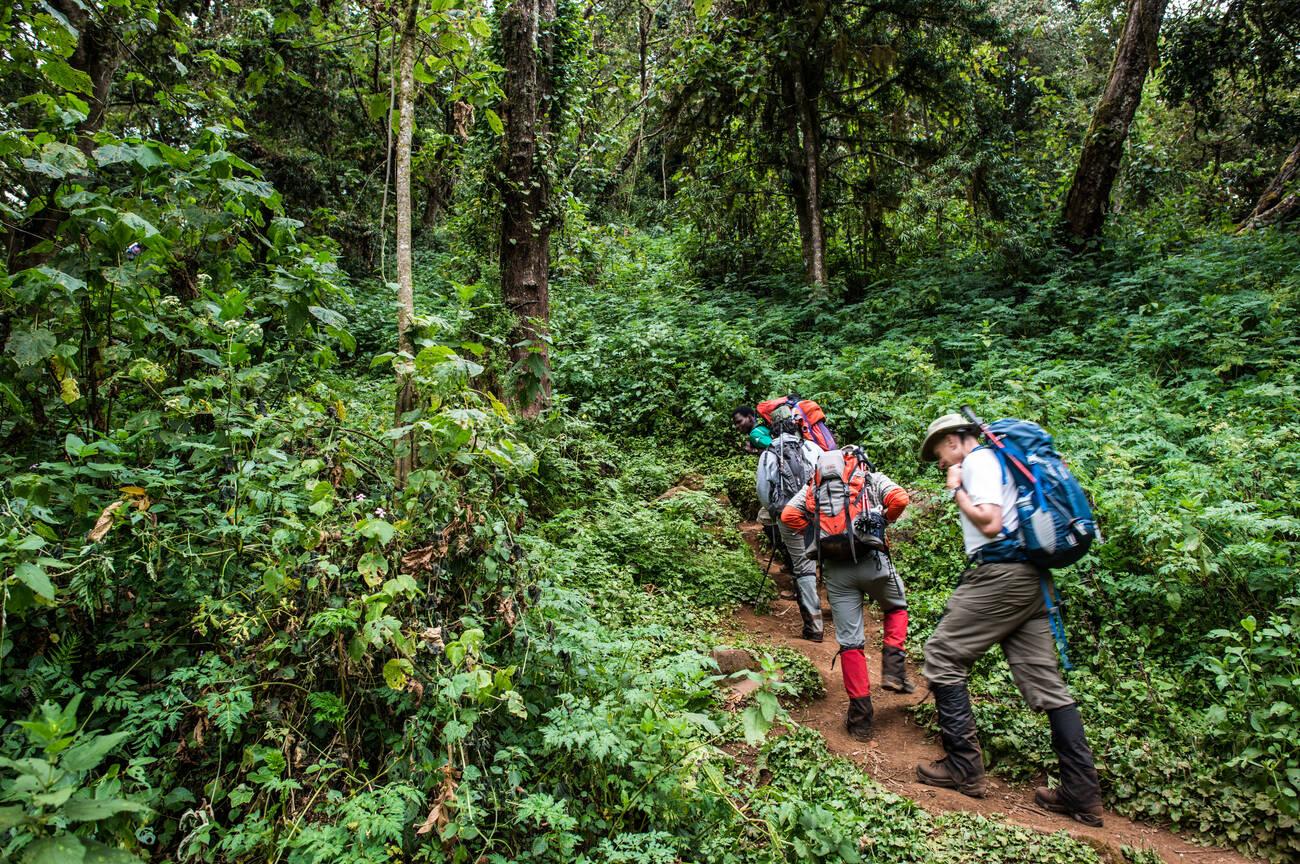
The journey starts in the rainforest, where towering trees, colorful birds, and shaded trails create an inviting beginning. You will walk through green landscapes and enjoy fresh air while gradually gaining elevation. At this stage, how long does it take to climb Kilimanjaro may not feel difficult because the pace remains slow, and the altitude is still comfortable for most trekkers.

Day 3–4: Moorland Zone

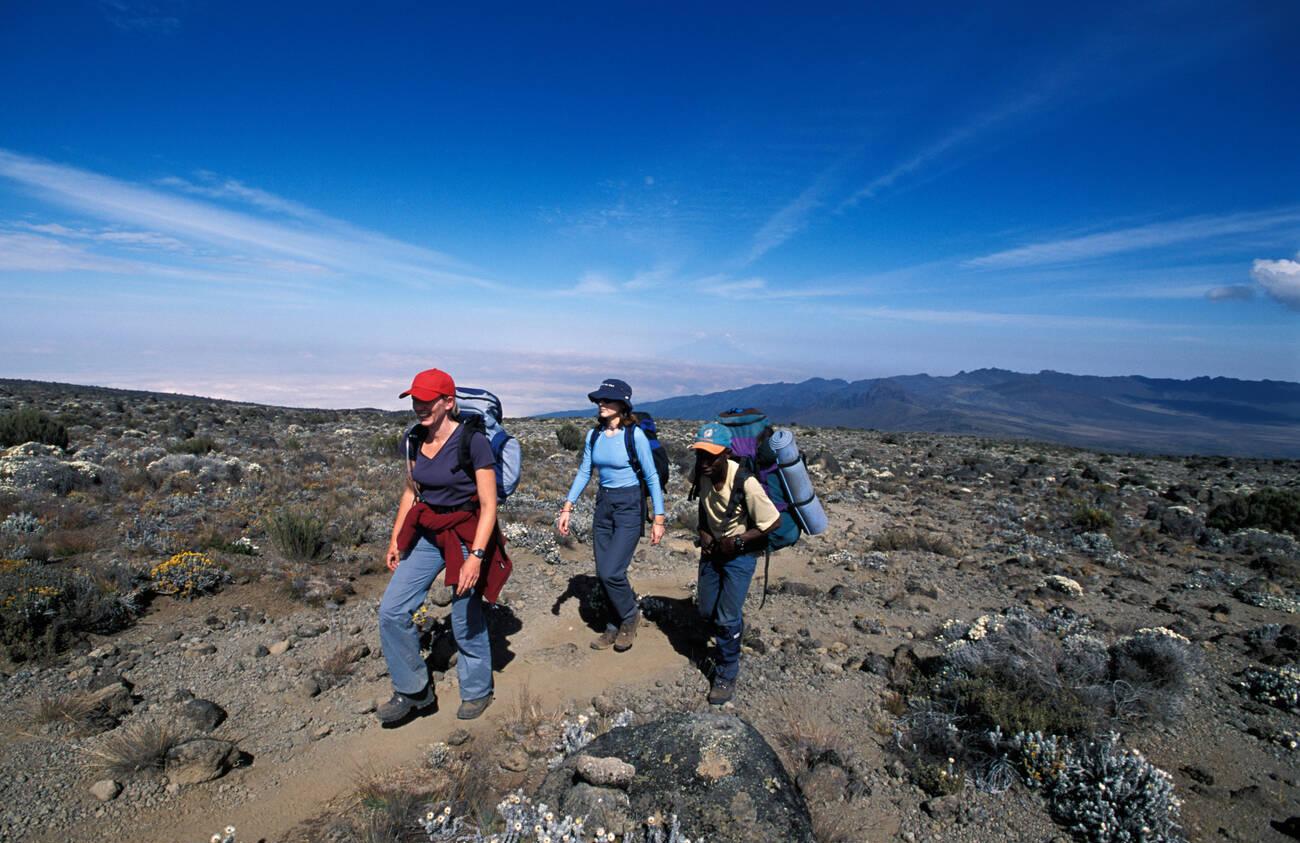
The landscape changes to open fields and rocky paths as dense forest disappears behind you. Temperatures start to drop, and the scenery becomes more expansive with striking mountain views. Here, understanding how long does it take to climb Kilimanjaro becomes important because your body begins adjusting to thinner air, making careful pacing increasingly valuable for maintaining steady progress throughout each hiking day.

Day 5–6: Alpine Desert

This area is dry and cold with fewer plants, creating a dramatic contrast to the lush lower slopes. Walking becomes more challenging as higher elevations bring cooler temperatures and reduced oxygen. Many climbers realize at this stage why how long does it take to climb Kilimanjaro matters for success, since gradual acclimatization plays an increasingly important role in reaching the summit safely.

Summit Push and Descent

After crossing the alpine desert, climbers prepare for the final ascent toward Uhuru Peak before beginning their descent. The summit attempt usually starts before sunrise, requiring determination and careful pacing despite freezing temperatures. Reaching the top rewards every effort, while the return journey through lower elevations becomes easier as oxygen levels increase and familiar landscapes gradually reappear once again.

how long does it take to climb Kilimanjaro

Factors That Affect Climbing Time

Fitness Level

Your physical condition plays a big role in preparing for this adventure. Fit climbers may handle longer days better and recover more comfortably between trekking stages. However, even if you are strong, how long does it take to climb Kilimanjaro should not be rushed. Endurance, steady pacing, and allowing your body sufficient time to adjust are more important than physical strength alone during climbs.

Weather Conditions

Weather on Kilimanjaro can change quickly, sometimes shifting from warm sunshine to rain, strong winds, or freezing temperatures within hours. These changing conditions can reduce hiking speed and require extra caution on the trails. This can affect how long does it take to climb Kilimanjaro, especially during certain seasons when weather patterns become less predictable and more demanding for trekkers.

Route Choice

Each route has a different duration, offering unique scenery, daily distances, and acclimatization opportunities. Some are shorter, while others are longer but safer because they provide additional time for altitude adjustment. Choosing the right route will determine how long does it take to climb Kilimanjaro for your trip while also influencing your overall comfort, confidence, and summit success rate significantly.

Acclimatization Strategy

Good acclimatization improves your chances of success by allowing your body to adapt gradually as elevation increases. Some routes include extra days for this purpose, giving climbers more opportunities to recover before reaching higher camps. This directly affects how long does it take to climb Kilimanjaro and your overall experience, making careful planning one of the most valuable decisions before departure.

Best Duration for First Time Climbers

how long does it take to climb Kilimanjaro

If it is your first time, it is recommended to choose a 7 to 8-day itinerary. This gives your body enough time to adjust gradually while reducing the risk of altitude sickness. The additional days create a more comfortable climbing rhythm, helping beginners build confidence and maintain steady progress throughout each stage of the mountain journey with greater overall comfort.

Many experts agree that when asking how long does it take to climb Kilimanjaro, longer trips are safer and more enjoyable because they provide valuable acclimatization opportunities. Instead of focusing on reaching the summit quickly, experienced guides encourage climbers to prioritize gradual elevation gain. This thoughtful approach improves physical adaptation while increasing the likelihood of successfully standing on Uhuru Peak with confidence.

Taking your time also allows you to enjoy the scenery and experience the journey fully. Every section of Kilimanjaro offers distinctive landscapes, from lush rainforest trails to wide alpine plains and dramatic volcanic terrain. A longer schedule creates opportunities to appreciate changing environments, observe wildlife and unique vegetation, and capture memorable photographs without feeling pressured to keep moving continuously every day.

For first time climbers, choosing a balanced itinerary often creates a more rewarding adventure than selecting the shortest available route. The extra time supports both physical adjustment and mental preparation as conditions become more demanding near the summit. By combining patience with proper planning, you can maximize your chances of success while enjoying every stage of Africa’s highest mountain expedition completely.
Tips to Successfully Reach the Summit

how long does it take to climb Kilimanjaro

Go Slowly

The golden rule on Kilimanjaro is “pole pole,” which means slowly in Swahili. Walking at a steady pace helps your body adapt naturally as altitude increases while conserving valuable energy for higher elevations. This is why how long does it take to climb Kilimanjaro should never be rushed. Patience often becomes one of the most important factors behind a successful summit attempt.

Stay Hydrated

Drink plenty of water during your climb because proper hydration supports normal body function at high altitude and helps reduce fatigue. Staying hydrated also helps prevent altitude sickness while improving overall comfort throughout each trekking day. Hydration directly affects how long does it take to climb Kilimanjaro, your energy levels, recovery, and your ability to maintain a consistent hiking pace daily.

Choose a Good Guide

A professional guide will monitor your health, assess your condition regularly, and set the right pace for every stage of the climb. They are essential for a safe and organized journey because they recognize early signs of altitude-related problems. Having a good guide can improve your chances, no matter how long does it take to climb Kilimanjaro successfully overall.

Pack Smart

Carry only what you need because unnecessary weight can increase fatigue and make daily hiking more demanding than necessary. Choosing practical clothing, suitable footwear, and essential equipment keeps your load manageable throughout the trek. Packing wisely supports your journey, improves walking comfort, and helps manage how long does it take to climb Kilimanjaro while making each stage more enjoyable overall.

Cost vs Duration

Longer climbs usually cost more because of extra days, guides, food, accommodation, and park-related services required throughout the expedition. Although the overall expense increases, these additional days provide valuable acclimatization time and a more comfortable climbing pace. However, they also offer higher success rates, making the investment worthwhile for many travelers seeking a rewarding Kilimanjaro experience with lasting memories.

When deciding how long does it take to climb Kilimanjaro, consider value over cost rather than focusing only on the lowest price. A shorter itinerary may appear economical initially, but limited acclimatization can reduce summit success. Choosing a route that balances time, comfort, and preparation often delivers greater overall satisfaction while minimizing avoidable challenges encountered during the demanding ascent to higher elevations.

Investing in a longer itinerary increases your chances of reaching the summit successfully because your body has additional time to adapt to changing altitude. These extra days also create a less hurried schedule, allowing climbers to recover between trekking stages and maintain steady energy levels. Better preparation often translates into a safer experience and greater confidence throughout the mountain journey from start to finish.

While every traveler has a different budget, selecting the right itinerary should reflect both financial plans and personal climbing goals. Paying for additional days is often an investment in safety, comfort, and overall enjoyment rather than simply extending the trip. Looking beyond the initial cost helps many climbers achieve a more fulfilling adventure and a stronger opportunity to stand on Uhuru Peak.

FAQs:How Long Does It Take to Climb Kilimanjaro?

How many days does it take to climb Mount Kilimanjaro?

Most climbers spend 5 to 9 days reaching the summit of Mount Kilimanjaro. While shorter routes can be completed in five or six days, longer itineraries of seven or eight days provide better acclimatization, increasing your chances of reaching Uhuru Peak successfully. The ideal duration depends on your fitness level, chosen route, and how well your body adjusts to high altitude.

What is the best number of days to climb Kilimanjaro?

A 7 or 8-day itinerary is considered the best option for most trekkers. Extra days allow your body to adapt gradually to the changing altitude, reducing the risk of altitude sickness and improving summit success rates. Many experienced guides recommend avoiding the shortest routes unless you already have high-altitude trekking experience.

Which Kilimanjaro route takes the shortest time?

The Marangu Route can be completed in 5 days, making it one of the fastest ways to climb Kilimanjaro. However, its shorter duration provides less time for acclimatization, which can lower summit success rates. Many climbers choose the 6-day Marangu itinerary instead for a safer and more enjoyable experience.

Does a longer Kilimanjaro climb improve summit success?

Yes. Spending 7 to 9 days on the mountain significantly increases your chances of reaching the summit because your body has more time to adapt to the decreasing oxygen levels. Although longer trips cost more, they often provide better value by improving safety, comfort, and overall climbing success.

Can beginners climb Kilimanjaro in 6 days?

Yes, many beginners successfully climb Kilimanjaro in 6 days, provided they prepare well before the trek. Regular cardio training, strength exercises, and hiking practice can improve endurance. Beginners should also walk slowly, stay hydrated, and follow their guide’s advice to minimize altitude-related problems.

How many hours do you hike each day on Kilimanjaro?

Daily hiking typically lasts 4 to 8 hours, depending on the route and stage of the climb. Summit night is the longest and most demanding section, often requiring 10 to 15 hours of hiking, including the ascent to Uhuru Peak and the descent to a lower campsite afterward.

What factors affect how long it takes to climb Kilimanjaro?

Several factors influence the total climbing time, including the chosen route, acclimatization schedule, weather conditions, group pace, and individual fitness. Routes with more acclimatization days generally take longer but provide a safer and more comfortable trekking experience with higher success rates.

Is climbing Kilimanjaro in 5 days worth it?

A 5-day Kilimanjaro climb may appeal to travelers with limited time, but it is generally not recommended for most people. The rapid ascent leaves little opportunity for acclimatization, increasing the likelihood of altitude sickness and reducing summit success. Choosing a longer itinerary offers a safer, more rewarding, and more enjoyable climbing experience.