
Best Time to Visit Serengeti National Park
Planning a safari in Tanzania is exciting, but choosing the right time is very important. Many travelers ask the same question: what is the best time to visit Serengeti National Park? The timing of your visit can influence the type of wildlife encounters, landscapes, and overall safari experience you enjoy, making careful planning an essential part of creating unforgettable memories in this remarkable destination.
The answer depends on what you want to see and experience. Wildlife is present all year, but each season offers something different. Understanding the best time to visit Serengeti National Park helps you plan a perfect safari. From predator sightings and the Great Migration to peaceful game drives and changing scenery, every period of the year provides unique opportunities for nature lovers and photographers alike.
In this guide, you will learn about seasons, wildlife movements, and monthly highlights. By the end, you will clearly know the best time to visit Serengeti National Park for your travel goals. You will also discover how weather conditions, rainfall patterns, and visitor numbers can influence your safari experience and help you choose the ideal month for your adventure.
Whether you are visiting for your first African safari or returning to witness another spectacular wildlife season, understanding the park’s annual cycle is the key to making the most of your journey. With the right information, you can confidently select the best time to visit Serengeti National Park and enjoy an unforgettable adventure filled with incredible wildlife, breathtaking landscapes, and lasting memories.
Understanding Serengeti Seasons
Dry Season (June to October)
The dry season is often considered the best time to visit Serengeti National Park. During this period, grass is shorter, making wildlife easier to spot. Open plains provide excellent visibility, allowing visitors to observe animals from a greater distance while enjoying uninterrupted views across the vast savannah.
Animals gather around water sources, increasing your chances of seeing them. This is also when the famous river crossings happen. Large herds of wildebeest and zebras move through the ecosystem while predators such as lions, leopards, and crocodiles closely follow, creating some of the most dramatic wildlife encounters in Africa.
The weather is sunny and comfortable. This makes the dry season a popular choice for many travelers looking for the best time to visit Serengeti National Park. Cooler mornings and evenings make game drives enjoyable, while clear skies provide ideal conditions for photography, scenic landscapes, and unforgettable sunrise and sunset experiences.
Wet Season (November to May)
The wet season is also a good option depending on your interests. The landscape becomes green and beautiful after the rains. Fresh vegetation transforms the plains into vibrant scenery, creating a stunning backdrop for wildlife viewing and showcasing the Serengeti’s natural beauty at its most colorful.
Birdlife is excellent during this time. Migratory birds arrive, making it perfect for bird watchers. Thousands of colorful bird species can be seen across the park, while many resident animals thrive in the abundant grazing conditions created by the seasonal rainfall and fresh grass.
Even though some roads can be muddy, many travelers still consider this period as the best time to visit Serengeti National Park for photography and fewer crowds. The quieter atmosphere allows for a more relaxed safari experience, with excellent opportunities to capture dramatic skies, newborn animals, lush landscapes, and memorable wildlife moments without the busy peak-season traffic.
Best Time to Visit Serengeti National Park for Wildlife
Wildlife viewing is the main reason people visit Serengeti. Animals are present throughout the year, but visibility changes with seasons. Every month offers unique wildlife encounters, from massive herbivore herds to elusive predators, allowing visitors to enjoy an exciting safari experience regardless of when they choose to explore the park.
The dry season is widely seen as the best time to visit Serengeti National Park for wildlife. Animals gather near rivers and waterholes, making them easier to find. With vegetation becoming thinner, guides can easily locate wildlife, giving visitors excellent opportunities to observe elephants, giraffes, buffaloes, zebras, and numerous antelope species in their natural habitats.
Predators like lions and cheetahs are also more active. This increases your chances of seeing hunting action. Leopards are often spotted resting in trees, while hyenas and jackals patrol the plains searching for food. The concentration of prey during the dry months creates dramatic wildlife interactions that make every game drive exciting and unforgettable.
Although the dry season offers exceptional wildlife viewing, the green season also provides rewarding experiences for nature enthusiasts. Many animals give birth during this period, attracting predators while offering visitors the chance to witness young wildlife taking their first steps. This combination of abundant wildlife, beautiful scenery, and diverse animal behavior makes the Serengeti a remarkable destination throughout the year.
Best Time to Visit Serengeti National Park for the Great Migration
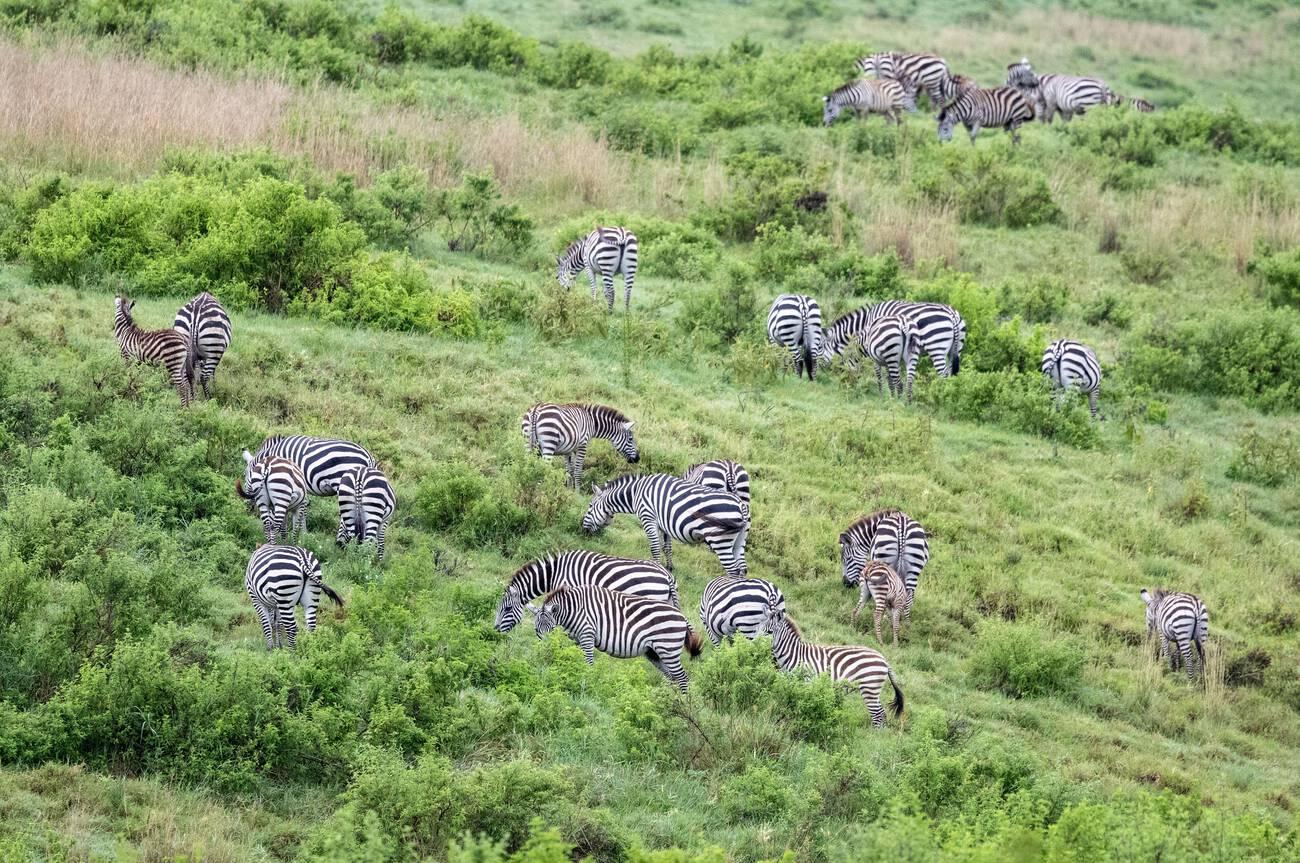
The Great Migration is one of the biggest highlights in Serengeti. Millions of wildebeest move in search of food and water. Accompanied by thousands of zebras and gazelles, this remarkable journey follows seasonal rainfall and fresh grazing, creating one of the world’s most extraordinary wildlife spectacles and attracting visitors from across the globe.
The best time to visit Serengeti National Park for migration depends on where the herds are located. As the animals continuously travel across the Serengeti ecosystem, their movements change throughout the year. Understanding this natural cycle helps travelers choose the ideal safari destination and month to witness the migration at its most exciting stage.
From June to August, you can see river crossings in the northern Serengeti. From January to March, the southern Serengeti hosts the calving season. During these months, thousands of newborn wildebeest are born every day, attracting predators such as lions, cheetahs, hyenas, and leopards, creating unforgettable wildlife encounters and outstanding photographic opportunities.
Each stage offers a unique experience. This makes timing very important when choosing the best time to visit Serengeti National Park. Whether you hope to witness dramatic river crossings, the peaceful calving season, or massive herds spread across the endless plains, planning your safari around the migration ensures an unforgettable adventure filled with breathtaking wildlife moments.

Month by Month Guide
January to March
This period is known for the calving season. Thousands of baby wildebeest are born in the southern plains. The nutrient-rich grasslands provide ideal grazing conditions for mothers and newborn calves, creating one of the most remarkable wildlife events in Africa and attracting nature enthusiasts from around the world.
It is a great time for photography and predator action. Many experts consider this the best time to visit Serengeti National Park for dramatic wildlife scenes. Lions, cheetahs, hyenas, and leopards closely follow the herds, providing incredible opportunities to witness natural hunting behavior and capture unforgettable photographs of the Serengeti’s thriving ecosystem.
The weather is warm, and the landscape is green. Fresh vegetation covers the plains, rivers flow strongly, and wildflowers begin to bloom, adding vibrant colors to the scenery. The combination of lush landscapes, newborn wildlife, and active predators creates an exceptional safari experience for photographers and wildlife lovers alike.
April to May
These months bring heavy rains. The park becomes lush and less crowded. Although rainfall is more frequent, the Serengeti transforms into a beautiful green paradise with fresh grass, dramatic clouds, and peaceful surroundings that appeal to travelers seeking a quieter safari experience.
Although some roads are difficult, this is still a peaceful time to visit. Budget travelers often find this the best time to visit Serengeti National Park due to lower prices. Many lodges and safari operators offer attractive discounts, allowing visitors to experience world-class wildlife while enjoying excellent value for money.
Wildlife is still present, and the scenery is beautiful. Resident animals continue roaming the plains, while birdlife becomes increasingly active. The fresh landscapes and fewer safari vehicles provide excellent opportunities for relaxed game drives, scenic photography, and enjoying the Serengeti’s natural beauty without large crowds.
June to July
This is the start of the dry season. The migration begins moving north. As water sources become limited, wildlife concentrates around rivers and permanent waterholes, making game viewing easier and increasing the chances of observing a wide variety of animals during every safari drive.
River crossings start around this time, creating exciting moments. Many travelers consider this the best time to visit Serengeti National Park for action. Massive herds gather at riverbanks before making dangerous crossings, while crocodiles and predators wait nearby, creating dramatic wildlife encounters that are among Africa’s greatest safari spectacles.
The weather is cooler and comfortable. Clear skies, pleasant daytime temperatures, and lower humidity create ideal conditions for full-day game drives. The open grasslands also improve wildlife visibility, making it easier to spot elephants, giraffes, big cats, and countless other iconic Serengeti species.
August to October
This is peak safari season. The herds are in the northern Serengeti and Maasai Mara. Large numbers of wildebeest, zebras, and gazelles continue their migration across the ecosystem, drawing visitors eager to witness one of the world’s greatest natural events in breathtaking surroundings.
River crossings continue, offering unforgettable experiences. This is often seen as the best time to visit Serengeti National Park for first time visitors. The dramatic movement of thousands of animals across crocodile-filled rivers provides unforgettable moments, while experienced guides help visitors position themselves for exceptional wildlife viewing and photography.
Game viewing is excellent, and the weather is dry. Animals gather around remaining water sources, making sightings more frequent throughout the day. Comfortable temperatures, clear visibility, and abundant wildlife combine to create an outstanding safari experience suitable for families, couples, photographers, and first-time safari travelers.
November to December
Short rains return, and the herds begin moving south again. Fresh grass starts growing across the plains, encouraging migrating animals to continue their annual journey toward the southern Serengeti, where they prepare for the upcoming calving season in the following months.
The park becomes green, and fewer tourists visit. Some travelers consider this the best time to visit Serengeti National Park for a quiet safari. The peaceful atmosphere allows visitors to enjoy uncrowded game drives, beautiful landscapes, and a more personal connection with the Serengeti’s incredible wildlife and natural surroundings.
Birdwatching is also excellent during this period. Migratory birds arrive from different parts of the world, joining the park’s resident species to create exceptional birding opportunities. Combined with fresh scenery, active wildlife, and comfortable safari conditions, this season offers a rewarding experience for nature lovers and photographers.
Best Time to Visit Serengeti National Park for Photography
Photographers look for lighting, landscapes, and wildlife activity. The best time to visit Serengeti National Park for photography depends on your style. Whether you enjoy capturing dramatic wildlife behavior, breathtaking landscapes, or colorful birdlife, every season presents unique photographic opportunities that highlight the incredible beauty and diversity of the Serengeti ecosystem.
The wet season offers green landscapes and dramatic skies. The dry season provides clear views and golden light. Lush plains, flowering vegetation, and impressive cloud formations create vibrant compositions during the rainy months, while the dry season delivers crisp backgrounds, warm sunlight, and excellent visibility for photographing wildlife across the open savannah.
Early mornings and late afternoons are perfect for capturing stunning images. Timing your visit well ensures you get the best shots. The soft natural light during these hours enhances colors, reduces harsh shadows, and increases wildlife activity, allowing photographers to capture detailed portraits, dramatic silhouettes, and unforgettable sunrise and sunset scenes.
Choosing the right season also depends on the subjects you hope to photograph. The Great Migration, river crossings, newborn wildebeest during the calving season, and predator interactions each occur at different times of the year. Planning your safari around these natural events gives you the best opportunity to create a diverse collection of memorable and award worthy Serengeti photographs.
Best Time to Visit Serengeti National Park for Budget Travelers
Safari costs change depending on the season. Peak season is more expensive due to high demand. During popular months, accommodation, transportation, and safari packages often have higher prices because many travelers visit to experience events such as the Great Migration and excellent dry-season wildlife viewing.
The low season offers better deals on accommodation and tours. This can be the best time to visit Serengeti National Park if you want to save money. Travelers visiting during quieter months can often enjoy reduced rates, fewer vehicles in the park, and a more relaxed safari experience while still discovering the beauty of Serengeti wildlife.
You still enjoy wildlife viewing while spending less. Animals remain active throughout the year, and experienced guides know the best locations to find them. Budget travelers can experience incredible game drives, beautiful landscapes, and unforgettable encounters with elephants, lions, giraffes, zebras, and other wildlife without paying peak-season prices.
Choosing the right travel period allows you to balance cost and experience. The shoulder seasons can provide a great combination of affordable prices, pleasant weather, and rewarding wildlife sightings. With careful planning and early booking, visitors can enjoy an amazing Serengeti safari while keeping their travel budget under control.
Pros and Cons of Each Season
Dry Season Pros
Wildlife is easier to see. Roads are in good condition, and the weather is pleasant. During this period, animals gather around limited water sources, vegetation becomes thinner, and game drives become more rewarding. Clear skies and comfortable temperatures also create excellent conditions for exploring the Serengeti and enjoying long hours of wildlife viewing.
This is why many people consider it the best time to visit Serengeti National Park. The dry months provide some of the highest chances of spotting large herds, predators, and dramatic wildlife interactions. Visitors can enjoy unforgettable experiences while exploring the open plains with better visibility and easier movement throughout the park.
Dry Season Cons
Prices are higher, and there are more tourists. Lodges may be fully booked. Because this period attracts many international visitors, popular areas can become busier, especially during major wildlife events such as the Great Migration river crossings. Early planning and advance booking are important for travelers visiting during peak months.
Wet Season Pros
The park is green and beautiful. There are fewer crowds, and prices are lower. Rainfall transforms the Serengeti into a stunning landscape filled with fresh grass, colorful scenery, and dramatic skies. This season also provides excellent opportunities for photography, birdwatching, and enjoying a more private safari experience.
For some travelers, this is the best time to visit Serengeti National Park for a peaceful experience. The quieter environment allows visitors to spend more time observing wildlife without many safari vehicles nearby. It is also an excellent period for witnessing newborn animals and the renewal of nature after seasonal rains.
Wet Season Cons
Rain can affect travel plans. Some areas may be harder to access. Heavy rainfall can make certain roads muddy, creating slower travel conditions and requiring experienced guides who understand the park routes. However, with proper preparation, visitors can still enjoy rewarding wildlife encounters and appreciate the Serengeti’s unique beauty during the wet season.
How to Choose the Best Time for You
Choosing the best time to visit Serengeti National Park depends on your preferences. Think about what matters most to you, whether it is witnessing the Great Migration, enjoying peaceful landscapes, capturing amazing photographs, finding better safari prices, or experiencing the highest chances of wildlife sightings during your adventure.
If you want river crossings, visit during the dry season. If you prefer fewer crowds, consider the wet season. Travelers interested in newborn animals may choose the calving period, while photographers often select months with beautiful lighting, green scenery, or dramatic wildlife activity to capture unforgettable Serengeti moments.
Budget, weather, and wildlife interests all play a role. Planning carefully ensures you pick the best time to visit Serengeti National Park. Understanding seasonal changes helps you match your travel goals with the right period, allowing you to enjoy a safari experience that fits your expectations, comfort level, and preferred activities.
The Serengeti offers incredible experiences throughout the year, so there is no single perfect month for everyone. The best choice depends on your personal interests and priorities. By considering the season, wildlife movements, accommodation availability, and overall travel style, you can create a memorable safari filled with amazing encounters and beautiful moments.
Tips for Planning Your Safari
Book Early
The Serengeti is a popular destination. Booking early ensures you get the best lodges and guides. Advance planning also gives you more choices for accommodation, safari vehicles, and travel dates, especially when visiting during busy periods when demand is high and availability becomes limited.
This is especially important during the best time to visit Serengeti National Park. Peak seasons such as the Great Migration period attract many travelers from around the world, so reserving your safari several months ahead helps secure the best options and ensures a smooth travel experience.
Choose the Right Area
The Serengeti is large, and wildlife moves throughout the year. Choosing the right area improves your experience. Different regions of the park offer unique opportunities, from the northern Serengeti river crossings to the southern plains where calving season takes place.
Following migration patterns helps you find the best time to visit Serengeti National Park. Understanding where animals are located during different months allows you to select the most suitable area for your interests, whether you want dramatic wildlife action, photography opportunities, or peaceful game viewing.
Travel with Experts
Experienced guides know where to find animals. They understand seasonal changes and migration patterns. Their knowledge of animal behavior, weather conditions, and park routes increases your chances of enjoying excellent wildlife sightings and discovering hidden areas that many visitors may miss.
This helps you make the most of the best time to visit Serengeti National Park. Professional guides provide valuable insights about the ecosystem, explain wildlife behavior, and help create a safe and memorable safari experience. With expert support, every game drive becomes more informative, exciting, and rewarding.
Why Serengeti Is Worth Visiting Anytime
The Serengeti offers something special every month. Wildlife, landscapes, and experiences change with the seasons. From the dramatic movement of the Great Migration to peaceful game drives across green plains, every period provides unique opportunities to discover the park’s incredible natural beauty and diverse wildlife in a different way.
There is no single answer to the best time to visit Serengeti National Park. Each period has its own beauty. Some travelers prefer the dry season for easier wildlife viewing, while others enjoy the wet season for fewer crowds, beautiful scenery, newborn animals, and excellent photography opportunities.
No matter when you go, you will enjoy an unforgettable safari. The Serengeti provides breathtaking landscapes, incredible animal encounters, and memorable moments throughout the year. With proper planning and choosing the season that matches your interests, every visit can become a once-in-a-lifetime adventure filled with discovery and wonder.
Whether you are searching for the Great Migration, predator sightings, birdwatching, photography, or a peaceful escape into nature, Serengeti National Park delivers remarkable experiences in every season. Its timeless beauty and rich wildlife make it one of Africa’s greatest safari destinations, regardless of the month you choose to travel.
FAQs: Best Time to Visit Serengeti National Park
What is the best time to visit Serengeti National Park?
The best time to visit Serengeti National Park depends on what you want to experience. The dry season from June to October is generally considered the best time for wildlife viewing because animals gather around water sources, vegetation is thinner, and safari sightings are easier. However, the Serengeti offers amazing experiences throughout the year, including the Great Migration, calving season, and predator sightings.
What is the best month to see the Great Migration in Serengeti?
The best months to see the Great Migration in Serengeti depend on the location of the herds. January to March is ideal for witnessing the calving season in the southern Serengeti and Ndutu area. June to July is a great time to see large herds moving through the Western Corridor, while July to October offers opportunities to witness dramatic river crossings in the northern Serengeti near the Mara River.
Is Serengeti National Park worth visiting during the rainy season?
Yes, visiting Serengeti during the rainy season can be a rewarding experience. The November to May period brings green landscapes, fewer tourists, lower safari prices, and excellent birdwatching. The short rains in November and December and the long rains in March to May create beautiful scenery and support the annual wildebeest calving season.
What is the cheapest time to visit Serengeti National Park?
The most affordable time to visit Serengeti is usually during the low season from March to May and parts of November. During this period, some lodges offer lower rates, and there are fewer visitors compared to the peak safari months. Travelers can enjoy excellent wildlife experiences while saving money on accommodation and safari packages.
What is the best time for a first safari in Serengeti?
For first-time safari travelers, the dry season from June to October is often the best choice. The weather is comfortable, roads are easier to access, and wildlife viewing is excellent. This period provides a high chance of seeing lions, elephants, giraffes, zebras, wildebeest, and other iconic African animals.
Can I visit Serengeti National Park all year round?
Yes, Serengeti National Park is open and accessible throughout the year. Each season offers something unique. The dry season provides outstanding wildlife viewing, while the wet season brings fresh landscapes, newborn animals, migratory birds, and fewer crowds. There is no bad time to visit Serengeti.
What is the best time to see predators in Serengeti?
Serengeti is famous for its predators, including lions, cheetahs, and leopards, which can be seen throughout the year. The January to March calving season is an excellent time for predator sightings because thousands of newborn wildebeest attract hunting activity. The dry season from June to October also offers great opportunities as animals gather in predictable areas.
What is the weather like in Serengeti National Park throughout the year?
Serengeti has a warm climate with two main seasons: dry and wet. The June to October dry season has cooler mornings, sunny days, and little rainfall. The November to May wet season brings occasional rains, greener landscapes, and warmer temperatures. Weather conditions vary depending on the area of the park and altitude.
Which month has the highest number of tourists in Serengeti?
The busiest months in Serengeti are usually July to October, especially during the Great Migration river crossing season. Many travelers visit during this period because of the spectacular wildlife events and favorable weather. Booking accommodations and safari tours early is recommended if you plan to travel during these peak months.
How many days are enough to visit Serengeti National Park?
A 3 to 5-day Serengeti safari is usually enough to experience the park’s highlights. Three days allow time to explore different areas and see wildlife, while five days provide a better chance of following the Great Migration and discovering diverse regions such as the Central Serengeti, Western Corridor, or Northern Serengeti.
