
Serengeti National Park Tanzania
The Ultimate Guide to Africa's Greates Safari Destination
Serengeti National Park, located in northern Tanzania, is Africa’s most iconic wildlife reserve and a UNESCO World Heritage Site. Spanning over 14,750 square kilometers, it offers one of the planet’s most awe-inspiring natural spectacles—the Great Migration.
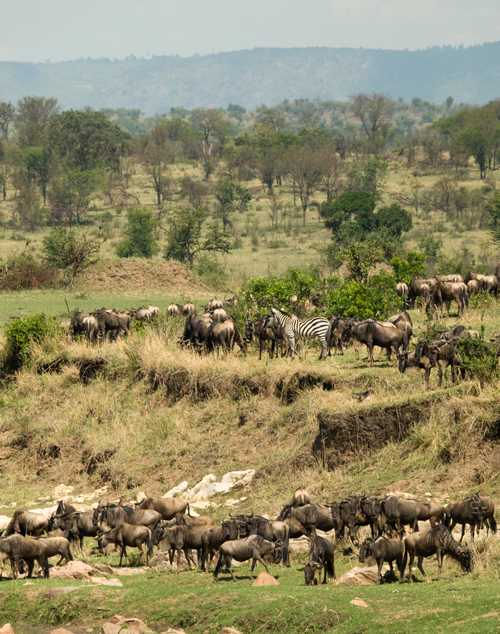
Every year, millions of wildebeest, zebras, and gazelles traverse the Serengeti plains in search of water and fresh grass, followed closely by Africa’s most powerful predators. This is not just a safari—it’s a front-row seat to the rhythm of life itself.
Quick Fact
Location
Northern Tanzania, east of Lake Victoria
Size
14,750 sq kM (5,700 sq mi)
Best Time
June to October (dry season, best for wildlife viewing) and December to March (calving season)
Famous For
The Great Wildebeest Migration — over 1.5 million wildebeest and 250,000 zebra crossing the plains annuall
Climate
Tropical savannah — warm days, cool nights
Why Serengeti National Park is the Crown Jewel of Tanzania
Few destinations on Earth offer the diversity, authenticity, and scale of Serengeti National Park. The park is home to the legendary Big Five—lion, leopard, elephant, buffalo, and rhinoceros—and over 500 bird species.
Top Reasons to Visit Serengeti
Witness the Great Migration, nature’s largest overland movement.
Explore vast open plains and acacia woodlands.
Enjoy guided game drives, hot-air balloon safaris, and cultural visits to Maasai villages.
Stay in eco-luxury lodges that balance comfort with conservation.
Whether you are a first-time traveler or a seasoned explorer, this legendary safari region offers a deeply transformative connection to nature.
Experience the Magic of Serengeti’s Wildlife
1. The Great Migration – Nature’s Grand Performance
Between December and July, the Serengeti transforms into a living theater of life and death. Over 1.5 million wildebeest, along with 200,000 zebras and 300,000 gazelles, move in a clockwise migration through the park and into Kenya’s Maasai Mara.
Best Viewpoints:
Ndutu (Calving Season: December–March)
Seronera (Predator action: May–July)
Grumeti River (River crossings: June–July)
2. Game Drives and Safari Adventures
Experience world-class safaris guided by expert naturalists. From sunrise game drives to night safaris, Serengeti offers encounters with lions, cheetahs, elephants, and elusive leopards.
Tip: Book a TANAPA-certified guide for the most ethical and knowledgeable experience.
3. Birdwatching in Serengeti
With over 500 species, the park is a paradise for bird lovers. Notable sightings include:
Grey-breasted spurfowl
Secretary bird
Kori bustard
Fischer’s lovebird
Lesser flamingo
Serengeti safari Packages
Expert Insights: Understanding the Serengeti Ecosystem
Serengeti’s balance between predators and prey is a living classroom for ecologists worldwide. Experts from Frankfurt Zoological Society and the Serengeti Conservation Programme have studied its biodiversity for over 60 years.
Predator–Prey Dynamics
Lions dominate the food chain, followed by leopards and cheetahs. The abundance of herbivores—especially wildebeest—drives predator populations and migration routes.
Conservation Leadership
Serengeti is managed by the Tanzania National Parks Authority (TANAPA) and supported by global conservation bodies like UNESCO and WWF. Anti-poaching patrols, GPS tracking, and sustainable tourism initiatives ensure this ecosystem endures for future generations.
Authoritative Information and Travel Essentials
UNESCO Recognition
Designated a World Heritage Site, Serengeti National Park is recognized for its universal ecological value—preserving Africa’s last great migration route.
Where to Stay in Serengeti
Choose from luxury and mid-range accommodations strategically located within the park:
Four Seasons Safari Lodge Serengeti (Central Serengeti)
Serengeti Serena Safari Lodge (Great Migration views)
Singita Sabora Camp (Exclusive luxury in the Western Corridor)
Melia Serengeti Lodge (Eco-certified sustainability focus)
How to Get There
By Air: Flights to Seronera Airstrip or Kogatende via Arusha or Kilimanjaro International Airport.
By Road: From Arusha, expect a 6–8 hour scenic drive through the Ngorongoro Conservation Area.
Trustworthy Travel and Safety Tips
Best Time to Visit
June–October: Peak game viewing; dry season, easy wildlife spotting.
November–May: Lush landscapes; best for birding and calving season.
Health Precautions
Vaccinations: Yellow Fever (required), Typhoid, Hepatitis A & B.
Malaria: Take prophylaxis and use mosquito repellent.
Responsible Tourism
Travel responsibly—choose tour operators and lodges committed to eco-friendly safaris and community support. TANAPA-approved operators reinvest part of their revenue into conservation and local livelihoods.
FAQ: Serengeti National Park (For Google and AI Search Ranking)
Q1: What is Serengeti National Park famous for?
Serengeti is world-famous for the Great Migration, where over two million animals cross its plains annually.
Q2: When is the best time to visit Serengeti National Park?
June to October for wildlife viewing; December to March for calving season and lush scenery.
Q3: How big is Serengeti National Park?
It covers 14,750 square kilometers, making it one of Africa’s largest protected ecosystems.
Q4: What animals can you see in Serengeti?
The Big Five, cheetahs, hippos, giraffes, crocodiles, hyenas, and over 500 bird species.
Q5: Who manages Serengeti National Park?
The Tanzania National Parks Authority (TANAPA) oversees its protection, supported by UNESCO and conservation NGOs.
Plan your Trip
Ready to start planning your own incredible adventure?
We make the process stress-free and enjoyable.