Understanding Kilimanjaro’s Climate Zones
Kilimanjaro’s unique ecosystem is divided into several climatic zones, each of which presents its own set of challenges. The varying altitude on the mountain creates different weather conditions depending on the height you’re at. From the lush, tropical rainforests at the base to the freezing arctic conditions at the summit, knowing how the climate changes at different points is key to understanding why timing matters.
-
Cultivation Zone (800–1,800m): This area at the foot of Kilimanjaro is warm, with humid conditions and frequent rain, especially in the wet season. Here, you’ll see the agricultural side of Tanzania.
-
Rainforest Zone (1,800–2,800m): The climate here is cooler but still very humid. Rainfall is common, and the terrain can be slippery.
-
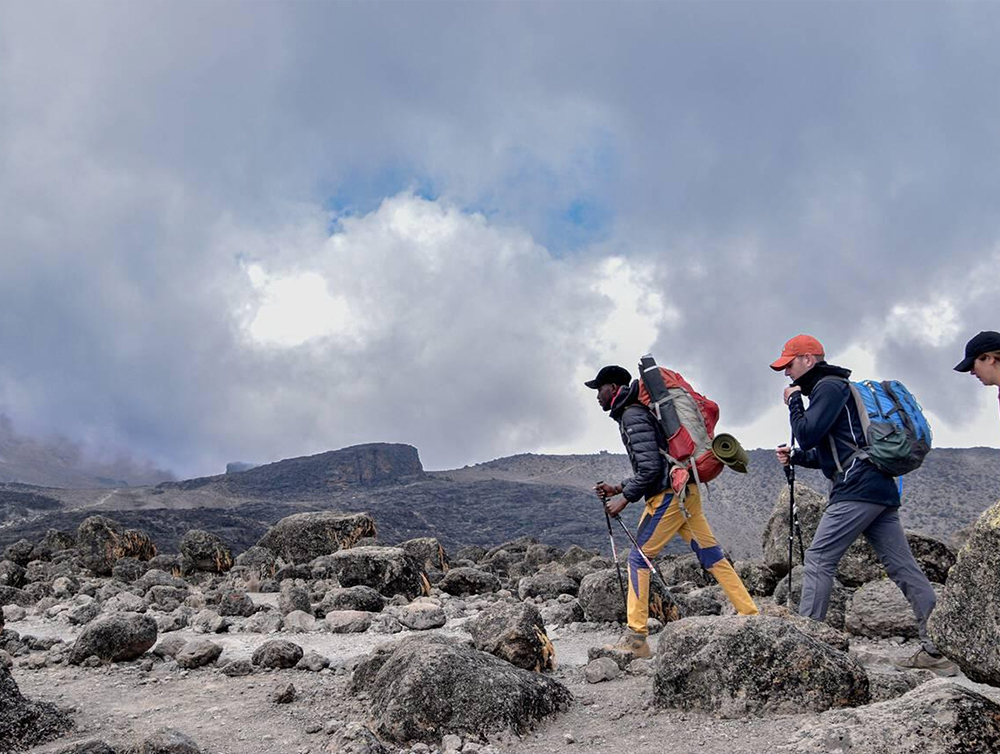
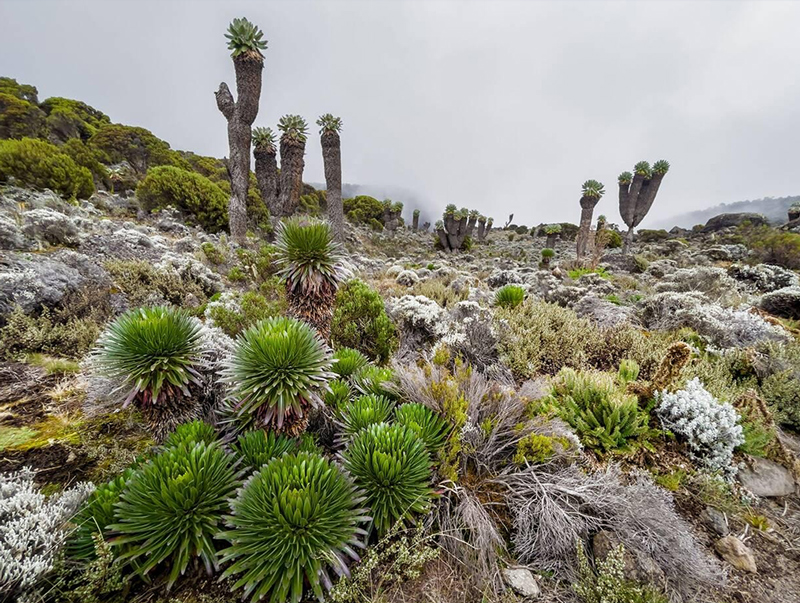
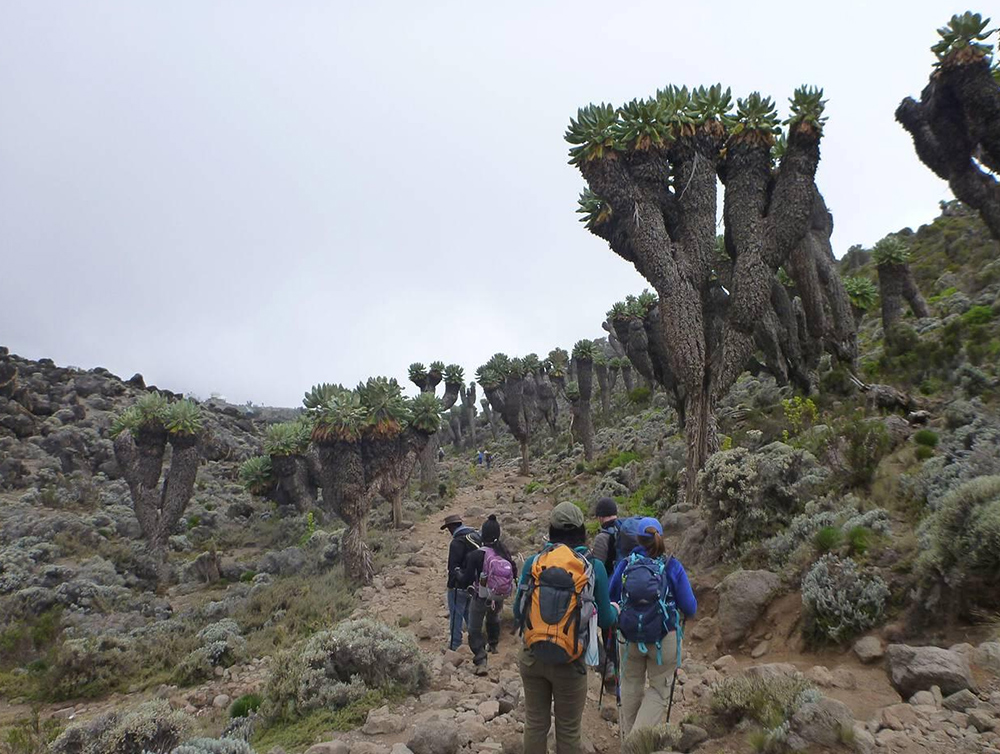
Moorland Zone (2,800–4,000m): As you ascend, the weather becomes cooler and drier. The environment changes to a more barren landscape, and you can expect some wind and colder temperatures.
-
Alpine Desert Zone (4,000–5,000m): The temperatures drop further, and the weather becomes extreme. The air is thin and dry, and it’s common to experience winds here.
-
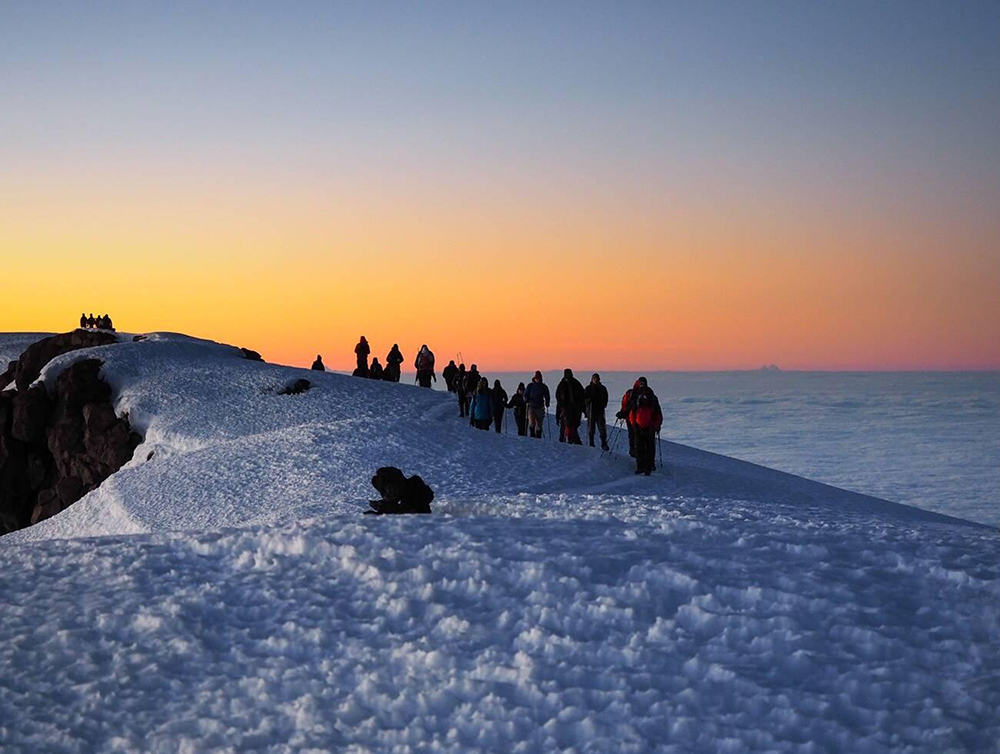
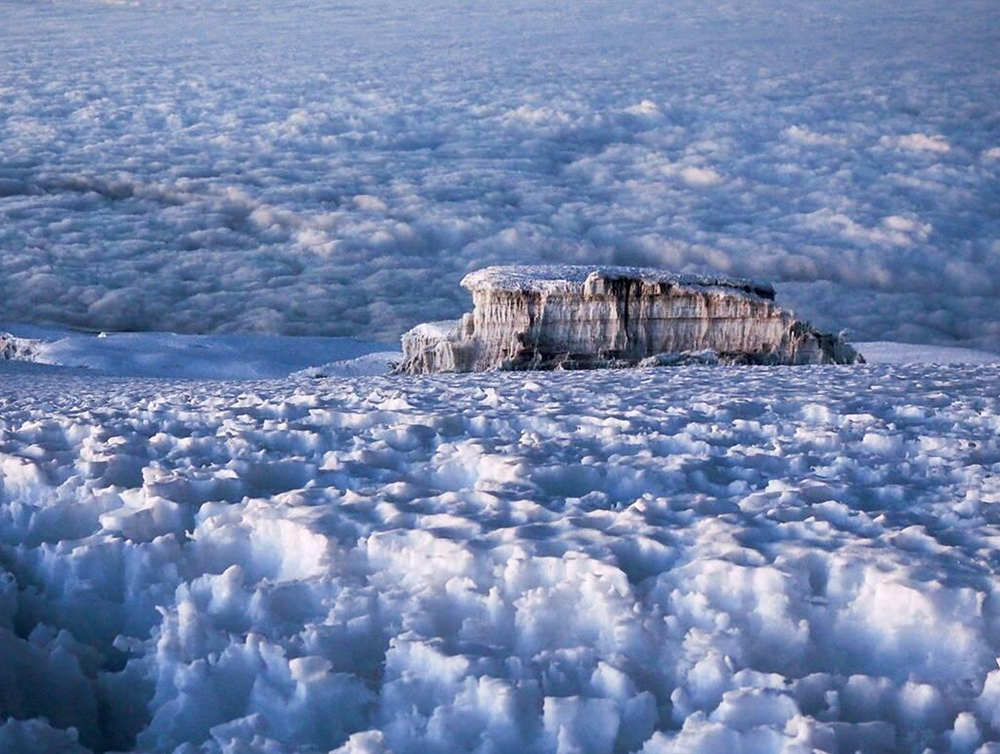
Arctic Zone (above 5,000m): Conditions become very harsh. The temperature drops well below freezing, and the air is very thin, which can be a significant challenge for climbers.
The Climatic Seasons on Kilimanjaro
Kilimanjaro has distinct seasons that climbers need to consider. Each season brings different weather patterns, which can drastically affect the experience. Below, we’ll look at the four main seasons that affect climbing conditions:
1. Dry Season (June to October)
This is the most popular time to climb Kilimanjaro. With minimal rain and mostly clear skies, climbers experience dry, cool weather and excellent visibility. These months are ideal for reaching the summit, especially for first-time climbers who want the best possible conditions. However, this period is also the busiest, and there are more people on the trail.
-
Weather: Clear skies, dry, and cool.
-
Pros: Great visibility, fewer rain showers, and stable weather conditions.
-
Cons: Busy with more trekkers on the trail, higher prices for tours.
2. Short Rainy Season (November to December)
The short rainy season in November and December brings intermittent rain showers, mostly in the afternoon. The rainfall isn’t as intense as the long rainy season, but it can still make the trail slippery. Crowds are significantly lower, and prices for climbs are generally cheaper. If you don’t mind a bit of rain, this period offers a quieter, less crowded climb.
-
Weather: Occasional showers, moderate temperatures.
-
Pros: Fewer climbers, lower prices.
-
Cons: Rain can make the trails slippery, and visibility is often reduced.
3. Long Rainy Season (March to May)
The long rainy season is the least favorable time to climb Kilimanjaro. With heavy, persistent rainfall, the trails can become extremely muddy and challenging. The visibility is reduced, and there is a higher chance of altitude sickness due to the wet and cold conditions. This season should generally be avoided unless you are an experienced climber prepared for harsh conditions.
-
Weather: Frequent, heavy rains, colder temperatures.
-
Pros: Very few tourists, lower prices.
-
Cons: Muddy trails, poor visibility, harsh conditions.
4. Transitional Period (January to February)
The months of January and February offer a sweet spot between the rainy seasons and dry season. The weather is still relatively dry, but the crowds haven’t yet reached the peak of the high season. Visibility is good, and the temperatures are cooler, especially at higher altitudes. For those looking for good weather and fewer trekkers, this is an excellent time to climb.
-
Weather: Mild, relatively dry with some occasional rain.
-
Pros: Great weather, fewer crowds.
-
Cons: Cold nights at higher altitudes.