
1. Choose the Best Mount Kilimanjaro Route for Your Ability
Mount Kilimanjaro has multiple routes, each with unique pros and cons. Your route choice significantly affects your acclimatization and success rate. Longer routes generally have better summit rates due to more gradual altitude gain.
Popular Kilimanjaro Routes and Success Rates:
| Route | Duration | Success Rate | Highlights |
|---|---|---|---|
| Marangu | 5–6 days | 50–60% | Only route with hut accommodations; less time for acclimatization. |
| Machame | 6–7 days | 70–85% | Very scenic and popular; better acclimatization profile. |
| Lemosho | 7–9 days | 85–90% | Remote, less crowded, great acclimatization, and high success rates. |
| Rongai | 6–7 days | 70–80% | Approaches from the north; drier and less trafficked. |
| Northern Circuit | 9–10 days | 90–95% | Longest route; best acclimatization; highest overall success rate. |
| Umbwe | 5–6 days | 40–50% | Steep, challenging route for experienced trekkers. |
Pro Tip: Opt for longer routes like Lemosho or Northern Circuit if you want to maximize your chances of summiting.
Additional Insight: Success rates not only reflect the route’s physical demand but also factors like the guiding team’s expertise, trekker preparation, and acclimatization support. Choosing the right operator and being well-prepared can elevate your chances of summiting to over 90%.
2. Start Training Months in Advance
Even though Kilimanjaro is a trek and not a technical climb, it requires good physical fitness. You’ll be hiking for 5–8 hours a day (longer on summit night), often at high altitudes.
Training Tips:
Cardio training: Include hiking, jogging, cycling, or swimming to improve endurance.
Strength training: Focus on your legs, back, and core.
Hike with a backpack: Practice walking with weight to simulate trekking conditions.
Stair climbing and hill walks: Train on inclines to prepare for uphill sections.
Tip: Begin training 2–3 months before your trek. If you can hike for 6–8 hours over varied terrain, you’re on the right track.
3. Prepare for Mount Kilimanjaro Altitude and Acclimatization
Altitude sickness (Acute Mountain Sickness – AMS) is the single biggest obstacle on Kilimanjaro. It doesn’t depend on your fitness level—it can affect anyone.
How to Combat AMS:
Go slow (“Pole Pole” as the guides say) – never rush, especially on summit day.
Choose a longer route – more days allow your body to adapt gradually.
Drink plenty of water – aim for 3–4 liters a day.
Avoid alcohol and caffeine – they can dehydrate you and affect sleep.
Eat even if you’re not hungry – keep energy levels high.
Talk to your doctor about Diamox (Acetazolamide) – it helps prevent altitude sickness.
Recognize early symptoms: headache, nausea, fatigue, dizziness, and poor sleep.
Tip: Don’t ignore symptoms. Inform your guide immediately if you feel unwell.
4. Pack Smart and Stay Warm
Weather on Mount Kilimanjaro ranges from tropical rainforest to alpine desert to arctic summit conditions. Dressing in layers is key to staying comfortable.
Essential Packing List:
Base layers (moisture-wicking tops and bottoms)
Insulating layers (fleece or down jacket)
Outer layers (waterproof/windproof shell)
Hiking boots (waterproof and broken in)
Warm hat, gloves, and neck gaiter
Thermal socks and gaiters
Sunglasses and high SPF sunscreen
Sleeping bag (rated to -15°C or lower)
Headlamp (with spare batteries)
Daypack (30–35 liters for daily essentials)
Trekking poles
Snacks and energy bars
Personal medications and first aid kit
Tip: Layering allows you to adjust your clothing to changing temperatures and conditions as you gain altitude.
5. Hydration and Nutrition Are Vital
Your body works harder at high altitudes. Dehydration can worsen the effects of AMS, so staying hydrated is critical.
Hydration & Eating Tips:
Drink regularly – sip often throughout the day.
Eat full meals – your body needs calories to fuel the trek.
Bring snacks – nuts, energy bars, and dried fruit provide quick energy.
Avoid fatty or fried foods that can upset your stomach at altitude.
Tip: If water tastes flat, use electrolyte tablets or flavored drink mixes to encourage consistent hydration.
6. Mental Preparation Matters
Mental strength is just as important as physical strength. Summit night is especially tough: you’ll wake around midnight and trek 6–8 hours in the cold and dark before sunrise.
Build Mental Resilience:
Break the trek into small sections – focus on reaching the next rest stop.
Stay positive and motivated – remind yourself why you’re climbing.
Meditation or breathing exercises – these can help with focus and calm.
Tip: Stay connected with your fellow trekkers and encourage each other. The camaraderie can be a powerful motivator.
7. Select a Reputable Tour Operator
Your guide company will make a huge difference in your experience and safety. Don’t just pick the cheapest offer—look for value, reputation, and safety.
What to Look For:
Licensed guides with first aid training
Good gear and equipment
Emergency evacuation plans
Use of oxygen and pulse oximeters
Positive reviews from past climbers
Ethical porter treatment (KPAP certified)
Tip: Ask if the company carries emergency oxygen and what their protocol is for altitude sickness.
8. Respect Local Culture and Environment
Mount Kilimanjaro is a UNESCO World Heritage site and a spiritual landmark for the Chagga people. Treat it with respect.
Be a Responsible Trekker:
Pack out what you bring in
Avoid single-use plastics
Support ethical companies that treat porters well
Respect local customs and language
Tip: Learn a few Swahili words like “Jambo” (Hello), “Asante” (Thank you), and “Pole Pole” (Slowly). Locals appreciate the effort.
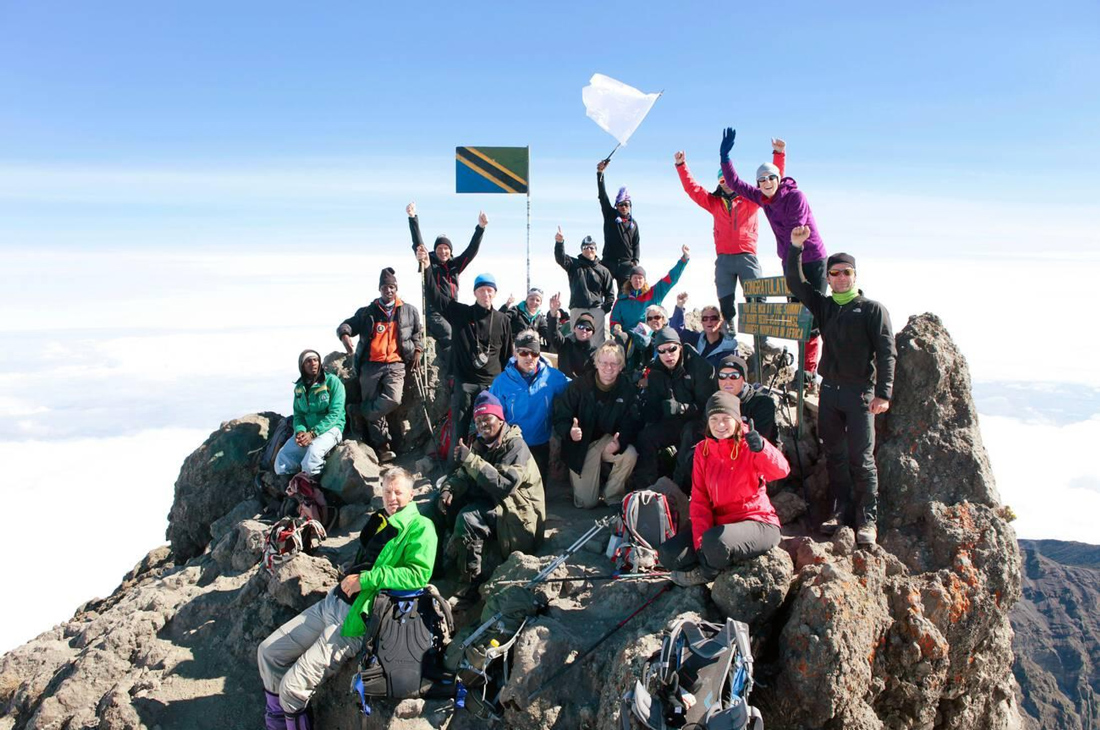
9. Summit Night Strategy
Mount kilimanjaro Summit night is the most physically and emotionally demanding part of the trek. You’ll start in the middle of the night in freezing temperatures and climb for hours.
Tips for Summit Night:
Sleep early the evening before
Dress warmly in all your layers
Bring high-energy snacks and water in an insulated bottle
Keep moving and don’t stop too long
Take breaks to catch your breath
Tip: Your guide will pace you. Trust their experience and follow their lead. The sunrise near Stella Point is one of the most rewarding moments.
10. The Descent Is Tough—Take Care
Many people underestimate the descent. Your legs will be tired, and the trail can be steep and slippery.
Descent Advice:
Use trekking poles
Go slow and protect your knees
Keep hydrating
Watch your step—fatigue can lead to injury
Tip: Don’t rush the descent. It’s still part of the experience, and your body needs time to recover.
11. Celebrate and Recover After the Trek
You’ve done it! Now it’s time to rest and reflect on your incredible achievement.
Post-Climb Ideas:
Spend a night in Moshi or Arusha relaxing
Treat yourself to a massage or spa
Explore local markets and restaurants
Go on a safari to Serengeti or Ngorongoro Crater
Fly to Zanzibar for a beach holiday
Tip: Don’t plan your return flight immediately after your trek. Give yourself at least 24–48 hours to rest and enjoy Tanzania.