
Climb Mount Kilimanjaro with Fearless Adventure
Mount Kilimanjaro, the crown of Africa, rises majestically to 5,895 meters (19,341 feet) above sea level, making it the highest mountain on the continent and the tallest free-standing mountain in the world. Nestled in Tanzania, East Africa, this dormant volcano has captivated climbers and adventurers from every corner of the globe. Its snow-capped summit towers above sweeping savannahs and lush forests, offering not only a physical challenge but also a deeply personal journey. At Fearless Adventure, we’re here to guide you to the top with expert support, unmatched experience, and a commitment to making your climb unforgettable.
Unlike other high-altitude climbs, Kilimanjaro requires no technical climbing skills, making it accessible to anyone with determination and a spirit of adventure. From teenagers to seniors in their 70s, thousands of climbers reach the summit every year and with the right preparation and expert guidance, you can too.
This comprehensive guide covers everything you need to know to successfully climb Africa’s highest peak:
-
Why Kilimanjaro is a must-climb destination
-
Who can realistically summit this iconic mountain
-
How to choose the best route for your adventure
-
When to climb for optimal weather conditions
-
Essential gear and training preparation
-
Why climbing with experienced guides maximizes your success
Let’s begin your journey to the top of Africa!
Why Climb Mount Kilimanjaro?
1. A Once-in-a-Lifetime Achievement
Standing on Uhuru Peak, the highest point in Africa, is an unforgettable triumph. Few experiences compare to watching the sunrise over the African plains from 19,000 feet, knowing you’ve pushed yourself further than you ever imagined.
2. No Technical Climbing Required
Unlike Everest or the Matterhorn, Kilimanjaro is a trekking peak, meaning you don’t need ropes, harnesses, or prior mountaineering experience. If you can hike uphill for several hours a day, you can climb Kilimanjaro.
3. Diverse and Stunning Landscapes
Kilimanjaro’s slopes pass through five distinct climate zones:
Cultivated Farmlands – Lush, rolling hills at the base
Rainforest – Home to monkeys, exotic birds, and towering trees
Moorland – Strange, otherworldly plants like giant lobelias
Alpine Desert – A barren, rocky landscape resembling Mars
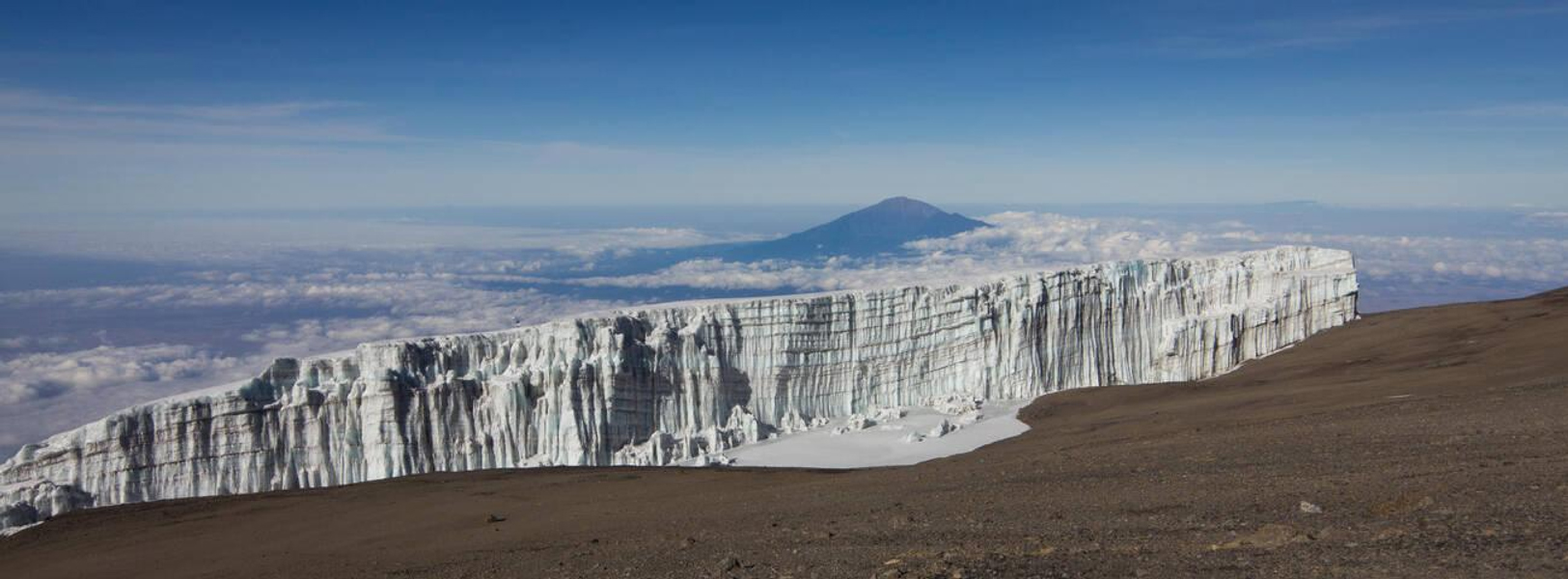
Arctic Summit Zone – Glacial ice and snow at the peak
4. A Challenge That Tests Your Limits
The biggest obstacle isn’t fitness—it’s altitude. Proper acclimatization, pacing, and mental resilience are key. Those who succeed often say Kilimanjaro is 30% physical and 70% mental.
5. A Well-Supported Adventure
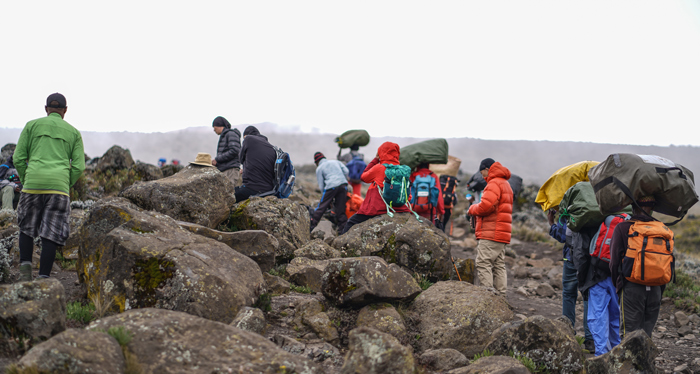
With experienced guides, porters, and established routes, climbing Kilimanjaro is safer and more achievable than ever. You’ll sleep in comfortable tents (or huts on the Marangu Route), eat hot meals, and have a full support team ensuring your success.
Who Can Climb Kilimanjaro?
Age is Just a Number
Minimum Age: Most operators require climbers to be at least 10 years old
Older Adventurers: Many climbers in their 60s and 70s reach the summit every year
Fitness Level: You don’t need to be an athlete, but regular hiking and cardio training help immensely
Health Considerations
Altitude Sickness affects everyone differently. Proper acclimatization is crucial
Pre-existing Conditions: Consult a doctor if you have heart or lung issues
Training: Focus on endurance (long hikes with a backpack) and stair climbing
Mental Preparation
Summit night is grueling—12+ hours of hiking in freezing temperatures. Determination and a positive mindset are your greatest assets.
Kilimanjaro Climbing Routes: Which One is Right for You?
There are seven main routes to the summit, each with different difficulty levels, scenery, and success rates.
1. Machame Route (“Whiskey Route”)
Duration: 6-7 days
Difficulty: Challenging
Best For: Adventurers who want stunning views and varied terrain
Success Rate: About 85% (due to good acclimatization)
2. Lemosho Route
Duration: 7-8 days
Difficulty: Moderate
Best For: Those seeking a scenic, less crowded path
Success Rate: About 90% (one of the highest)
3. Marangu Route (“Coca-Cola Route”)
Duration: 5-6 days
Difficulty: Moderate
Best For: Hikers who prefer hut accommodations (no tents)
Success Rate: About 70% (shorter = tougher acclimatization)
4. Rongai Route
Duration: 6-7 days
Difficulty: Moderate
Best For: Those who want a quieter, northern approach
Success Rate: About 80%
5. Northern Circuit
Duration: 8-9 days
Difficulty: Easiest (due to long acclimatization)
Best For: Highest success rates (95%+) and solitude
Success Rate: About 95%
6. Umbwe Route
Duration: 5-6 days
Difficulty: Very Hard
Best For: Experienced trekkers who want the steepest, fastest climb
Success Rate: About 60%
Which Route Should You Choose?
First-time climbers: Lemosho or Machame (best balance of scenery & success)
Want the easiest climb: Northern Circuit (longest but safest)
Short on time: Marangu or Rongai (but lower success rates)
Best Time to Climb Kilimanjaro
Kilimanjaro can be climbed year-round, but the dry seasons offer the best conditions:
1. January – Early March
Warmer temperatures
Clear skies, great views
Busier trails
2. June – October
Cooler, less crowded
Best overall conditions
Colder nights
Avoid:
April & May (heavy rains, muddy trails)
November (unpredictable weather)
Training & Preparation for Kilimanjaro
Physical Training (Start 3-6 Months Before)
Hiking: Build endurance with 5-6 hour hikes carrying a 15-20 lb backpack
Stair Climbing: Mimics the uphill trekking
Cardio: Running, cycling, or swimming 3-4x per week
Mental Preparation
Visualize summit day—know it will be tough but worth it
Practice breathing techniques for high altitude
Gear Checklist (Full Packing List Provided Upon Booking)
Layered Clothing (moisture-wicking base, insulating mid-layer, waterproof shell)
Sturdy Hiking Boots (broken in before the climb)
Sleeping Bag (rated for -10°F/-23°C)
Trekking Poles (saves knees on descents)
Headlamp (critical for summit night)
Why Climb Kilimanjaro With Us?
We’re not just another tour operator—we’re Kilimanjaro specialists with:
20+ Years of Experience
95% Summit Success Rate (vs. industry average of 65%)
Expert Guides & Medical Support
Small Groups for Personalized Attention
Ethical Climbing Practices (fair wages for porters, eco-friendly treks)
We don’t just take you up the mountain—we ensure you come back with a story worth telling.
Ready to Begin Your Kilimanjaro Adventure?
Kilimanjaro is waiting. Will you answer the call?
Book Your Expedition Today